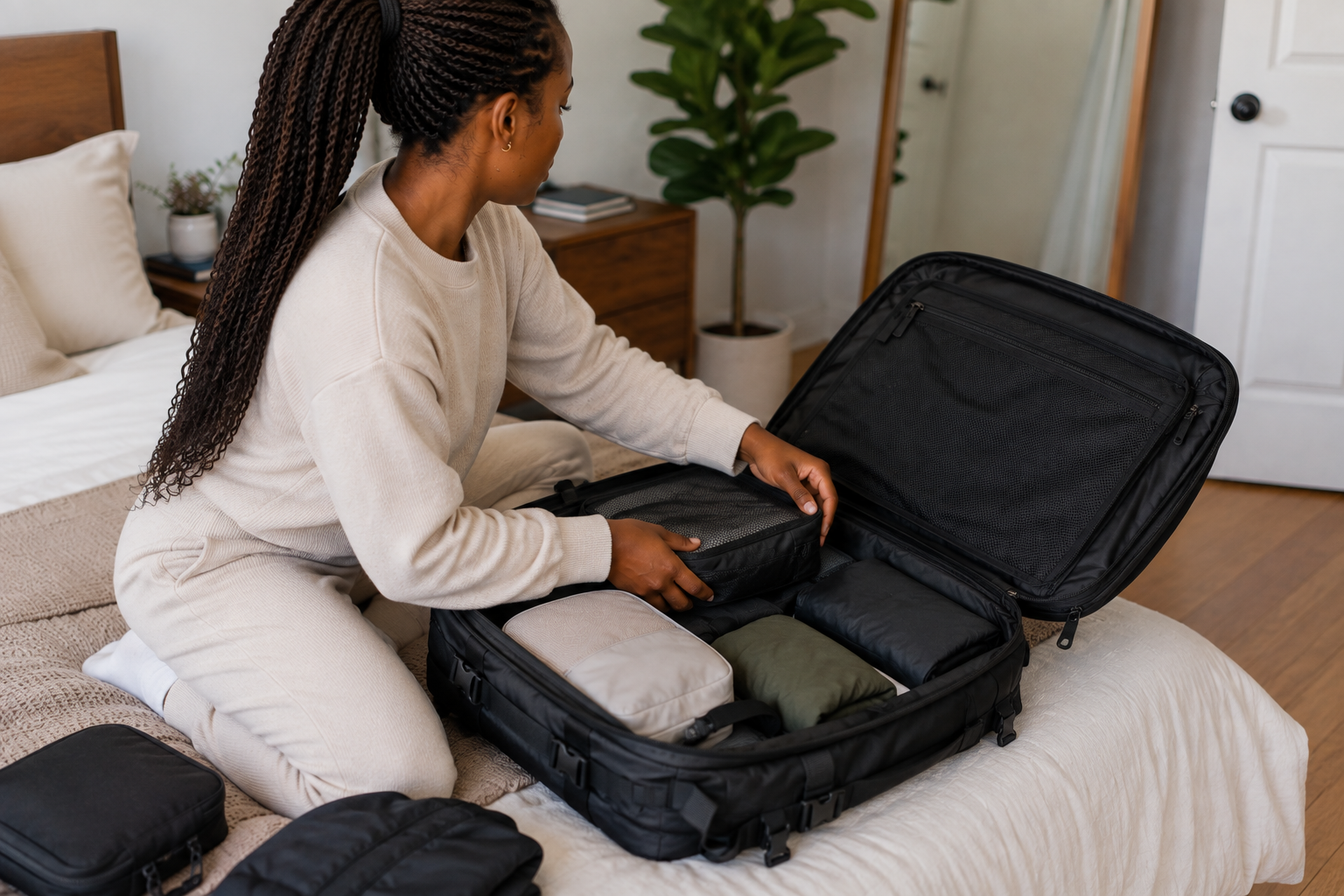
4 African Countries for an Affordable Safari and Beach Trip as a Solo Female Traveller
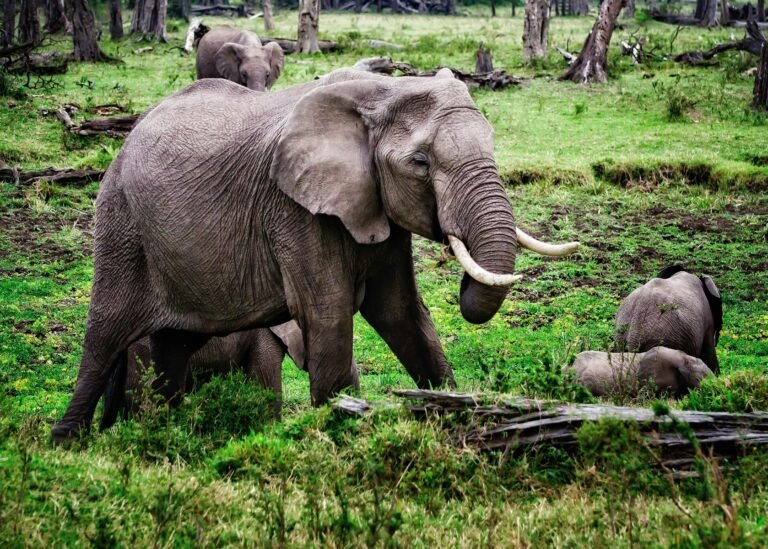
The idea that every African safari requires a luxury budget is one of the most persistent travel myths available. It is not true.
A solo female traveller with a realistic budget, a flexible travel style, and a willingness to join a shared group safari can experience some of the most extraordinary wildlife encounters on the planet without spending what a luxury lodge charges per night.
What's In This Post
ToggleThis guide covers four African countries that offer genuine safari experiences at accessible price points, a beach extension option where relevant, practical solo female travel considerations for each destination, and honest guidance on what things actually cost. Use it to plan your first African safari or to compare destinations before you book.
All prices in this guide are estimates based on research current to mid-2026. Safari costs change with season, operator, group size, and availability. Always verify current pricing directly with operators before booking.
What Does a Budget African Safari Actually Cost?
The answer depends significantly on what style of safari you are booking and what the quoted price includes.
Budget safaris are real, but they are a specific style of travel, not a cheaper version of luxury safari.
Shared group camping safari: The most affordable guided option. You join other travellers in a group vehicle, stay at public campsites or budget tented camps, and share all costs. Shared group safaris can be extremely cost-effective, especially if you are a solo traveller because the single supplement issue is removed when you join an existing group departure.
Self-drive safari: Available primarily in Namibia and South Africa. You hire a vehicle and navigate independently, staying at restcamps run by national park authorities. Self-drive is the genuine budget option in destinations where the road infrastructure supports it.
Mid-range lodge safari: Guided game drives, en-suite accommodation, and set meals. A guided mid-range lodge safari in Kenya or Tanzania typically costs $300 to $800 per person per day, the most common choice for first-timers wanting some comfort without a second mortgage.
What budget figures exclude: Flights to and from Africa, visas, travel insurance, tips, personal spending, and any activities outside the safari package. These costs are significant and must be factored into your total trip budget separately.
A solo traveller on a tight budget for a 7-day Tanzania safari might spend approximately $2,500 on the safari itself, plus around $1,200 on international flights, $50 on a visa, $150 on travel insurance, and $200 on tips and extras, bringing the realistic total to around $4,100 before personal spending.
Always confirm exactly what is included in any quoted price. Park fees, meals, transfers, and game drives may or may not be included depending on the operator and package.
Best African Countries for a Budget Safari and Beach Trip
Tanzania
Best parks: Serengeti National Park, Tarangire National Park, Ngorongoro Conservation Area, Lake Manyara.
Why Tanzania for a budget safari: Tanzania offers some of Africa’s most iconic wildlife experiences and has a well-established budget safari infrastructure built around shared group departures. The most affordable safari destinations for a guided safari are Tanzania and Kenya, where private guided safaris start from around $350 per person per day.
The Serengeti is Tanzania’s flagship park and home to the Great Migration, one of the largest wildlife spectacles on earth. Tarangire is less visited and often less expensive, with large elephant herds and fewer crowds. Ngorongoro Crater offers extraordinary wildlife density within a single caldera.
Beach extension: Zanzibar. The island is approximately 45 minutes by light aircraft or a two-hour ferry from Dar es Salaam. It offers white sand beaches, turquoise water, historic Stone Town, excellent snorkelling, and a range of accommodation from budget guesthouses to boutique hotels. A Zanzibar beach extension is one of the most popular safari and beach combinations in Africa for good reason.
Estimated budget for a shared 7-day safari in Tanzania: A 7-day budget camping safari in Tanzania costs approximately $1,800 to $3,500 per person in 2026, depending on the operator, the parks visited, and whether the price includes all park fees. Park fees in Tanzania are charged per person per day and can be significant. Always confirm whether they are included in your quoted price.
Best time to visit: June to October for the dry season, which offers the best wildlife viewing as animals concentrate around water sources. January to February for the calving season in the Ngorongoro area. Both are peak season and carry higher prices. April and May are the long rains and generally the lowest season.
Solo female travel considerations: Tanzania has an established safari industry with experienced operators accustomed to solo travellers. Guided safaris mean you are always with a driver-guide and often with a small group. Exercise the usual precautions in Dar es Salaam and Stone Town. Research your operator thoroughly before booking.
Transport: Most budget safaris depart from Arusha in northern Tanzania. International flights typically arrive into Kilimanjaro International Airport or Dar es Salaam. Internal flights between safari areas and Zanzibar are available but add cost.
Namibia
Best parks: Etosha National Park, Sossusvlei and the Namib Desert, Fish River Canyon, the Skeleton Coast.
Why Namibia for a budget safari: Namibia is fundamentally different from Tanzania and Kenya in terms of the safari experience it offers. The wildlife is different, the landscape is extraordinary, and a self-driving safari in Namibia is one of the most genuinely accessible budget safari formats available on the continent. Namibia’s road infrastructure is exceptionally good by African standards and self-drive is the primary way independent travellers explore the country. careergappers
Etosha National Park is the safari centrepiece. The park is built around a large salt pan with waterholes that attract enormous concentrations of wildlife including lion, elephant, rhino, giraffe, zebra, and large numbers of bird species. The park’s rest camps are run by Namibia Wildlife Resorts and offer a range of accommodation from camping to chalets at accessible prices.
Sossusvlei in the Namib Desert offers some of the most dramatic landscapes anywhere in the world. The orange sand dunes at sunrise and sunset are extraordinary. It is not a wildlife safari experience in the conventional sense but it is an unmissable part of a Namibia itinerary.
Namibia safari costs in 2026 for a budget self-drive trip run approximately $300 to $400 per person per day, including vehicle hire, fuel, park fees, and accommodation at NWR restcamps. This is competitive for what the experience delivers. africansafarimag
Beach element: The Atlantic coast towns of Swakopmund and Walvis Bay offer a coastal element to a Namibia itinerary. Swakopmund is a charming coastal town with a German colonial architectural heritage, excellent seafood, and a range of adventure activities including quad biking and sandboarding on the coastal dunes. The Atlantic coast is cold rather than tropical and not the beach holiday of the Indian Ocean destinations, but it is a genuinely distinctive experience.
Estimated budget for a 7 to 10 day Namibia self-drive: Vehicle hire, fuel, NWR accommodation, and park fees for a 10-day self-drive circuit typically cost between $2,000 and $3,500 for a solo traveller depending on vehicle choice, route, and accommodation preferences.
Best time to visit: May to October for the dry season and best wildlife viewing in Etosha. June and July are peak season in Etosha as the waterholes become the primary gathering points for wildlife. April and October offer good conditions at slightly lower prices.
Solo female travel considerations: Namibia is generally considered one of Africa’s safer self-drive destinations. The roads are well-maintained and signposted. Mobile connectivity is limited in remote areas so planning routes and having offline navigation is important. Always tell someone your itinerary and expected arrival times at each location. The self-drive format means you have significant independence, which is genuinely appealing for solo travellers but requires more preparation than a guided group tour.
Transport: International flights into Windhoek’s Hosea Kutako International Airport. Vehicle hire from Windhoek is the standard starting point for a self-drive safari.
Botswana
Best parks: Chobe National Park, Kasane, Makgadikgadi Pans National Park, Moremi Game Reserve (for travellers with more flexibility in budget).
Why Botswana: Botswana’s approach to tourism is deliberately different from Tanzania and Kenya. Botswana is built around a deliberately low-volume, high-cost tourism model to protect areas like the Okavango Delta, with even mobile camping safaris starting around $300 to $500 per person per night. The result is extraordinary wildlife experiences with minimal crowds, but it comes at a price that is significantly higher than the East African options. inyourpocket
Chobe National Park around Kasane is the most accessible and most affordable part of Botswana’s safari circuit. The park has exceptional elephant populations, one of the largest in Africa, and excellent general game viewing. Chobe is often visited as a day trip or short stay addition to a Zimbabwe or Zambia safari visiting Victoria Falls.
The Makgadikgadi Pans offer a completely different landscape experience. The vast flat salt pans are among the largest in the world and during the green season host large zebra and wildebeest migrations.
The Okavango Delta is Botswana’s most celebrated destination and commands premium pricing. Budget travellers should research carefully whether the Okavango fits a genuine budget trip or whether Chobe is the more realistic choice.
Beach element: Botswana is landlocked. There is no coastal or beach extension within the country. A combination itinerary could involve Botswana alongside Zimbabwe and then a beach extension in Mozambique, but this is a more complex and more expensive trip than the East African safari and beach combinations.
Estimated budget: Botswana is not the right destination for travellers operating on a tight budget. Chobe is the most accessible entry point. Budget-end safari options around Kasane run from approximately $200 to $400 per person per day. The Okavango Delta starts significantly higher.
Best time to visit: May to October for the dry season and optimal wildlife viewing. July and August are peak season with the highest prices and the best game viewing. The green season from November to April offers lower prices, lush landscapes, and excellent birding.
Solo female travel considerations: Botswana has a well-established and professional safari industry. Guided safaris are standard and experienced operators handle logistics. Exercise standard precautions in towns and at border crossings.
Kenya
Best parks: Maasai Mara National Reserve, Amboseli National Park, Tsavo East and West, Samburu National Reserve.
Why Kenya for a budget safari: Kenya offers excellent wildlife diversity and a range of accommodation and safari styles across different budgets. The Maasai Mara is one of Africa’s most celebrated wildlife destinations and hosts the Kenya portion of the Great Migration between July and October. Amboseli offers iconic views of Mount Kilimanjaro alongside large elephant herds.
Kenya offers one of the widest price ranges on the continent, with budget safari options starting from approximately $250 to $350 per person per day. africansafarimag
Beach extension: Diani Beach on the south coast is one of Kenya’s most beautiful beaches. White sand, warm Indian Ocean water, and a range of accommodation from budget guesthouses to mid-range beach hotels. Diani is approximately 45 minutes by road from Mombasa and accessible by domestic flight from Nairobi. It is a natural extension to a northern safari circuit.
Estimated budget for a shared 7-day safari in Kenya: Budget shared safaris in Kenya typically run from approximately $1,500 to $2,800 per person for a week, depending on parks visited, accommodation standard, and what is included. As with Tanzania, verify whether park fees and meals are included. Kenya has introduced significant park fee increases in recent years that affect the total cost of a safari.
Best time to visit: July to October for the Great Migration river crossings in the Maasai Mara, which is peak season and carries premium pricing. January to February and June for the dry season with excellent wildlife viewing at lower prices than peak. March to May is the long rainy season and generally avoided.
Solo female travel considerations: Kenya is a well-established safari destination with experienced operators. Exercise standard precautions in Nairobi, particularly around the city centre and at night. Use only recommended transport rather than unmarked taxis. The safari experience itself is guided and generally safe. Research your specific operator before booking rather than choosing on price alone.
Transport: International flights into Nairobi’s Jomo Kenyatta International Airport. Domestic flights available between Nairobi, Maasai Mara, and Mombasa. Most budget safaris depart from Nairobi.
Compare the Four Destinations at a Glance
Four beautiful African destinations to consider for your solo safari adventure.
| Destination | Tanzania | Kenya | Namibia | Botswana |
|---|---|---|---|---|
| Budget level | Moderate | Moderate | Moderate | Moderate–High |
| Best safari experience | Big Five, Great Migration and Ngorongoro Crater | Great Migration, Maasai Mara and Amboseli | Etosha wildlife and dramatic landscapes | Chobe elephants and Okavango Delta |
| Beach access | Zanzibar Beautiful tropical beaches | Diani Beach White sand and turquoise water | Atlantic coast Cool water and rugged scenery | No coastline Landlocked country |
| Transport style | Guided group safari | Guided group safari | Self-drive or guided tour | Guided safari |
| First solo trip | Well-established safari options | Well-established safari options | Good with careful preparation | May suit travellers with more budget flexibility |
| Estimated 7-day budget | $1,800–$3,500 | $1,500–$2,800 | $2,000–$3,500 | $2,500+ |
A little planning tip
These figures are indicative estimates, not live quotes. Confirm whether your budget includes international flights, park fees, accommodation, meals, transfers and a single supplement before booking.
Is an African Safari Safe for Solo Female Travellers?
Solo female travel in Africa is growing rapidly, with many women embracing the adventure of a safari alone. Female solo travelers often find the experience empowering, as it builds confidence and independence.
That said, safety on safari and in African countries generally requires specific preparation and ongoing awareness rather than a blanket assumption of either complete safety or complete danger.
On safari: The guided game drive format means you are with an experienced driver-guide in a vehicle throughout. Destinations like Tanzania, Kenya, and Botswana are known for their well-established safari infrastructure and experienced guides. The safari experience itself carries different risks from urban travel and is generally managed by professional operators with established safety protocols.
Choosing an operator: Research your operator thoroughly before booking. Look for verifiable reviews from recent travellers, clear communication about what is included, and operators that are members of established tourism associations in their country. Avoid booking on price alone. The cheapest option is not always the safest or the most reputable.
Accommodation: Book accommodation with strong recent reviews. Established lodges, tented camps, and NWR rest camps in Namibia all have reasonable security standards. Exercise normal precautions with your belongings and room security.
Transport: Use airport transfers arranged through your operator or a pre-booked reputable service rather than unmarked vehicles. In cities, use ride-hailing apps where available or hotel-arranged transport rather than unmarked taxis.
Destination-specific awareness: Every destination has areas and situations that carry more risk than others. Research your specific route, stay informed about current conditions, register with your country’s travel advisory service where available, and exercise the judgment you would in any unfamiliar environment.
Share your itinerary: Tell a trusted person at home your complete itinerary including accommodation names, locations, and contact numbers. Check in regularly. Keep emergency contacts including your operator’s details, local emergency services, and your travel insurance’s emergency line accessible at all times.
How to Save Money on a Solo Safari
Join a shared group departure. The single most effective way to reduce the cost of a solo safari is to join an existing group departure rather than booking a private safari. The per-person cost drops significantly and the social experience of travelling with other safari enthusiasts is often one of the highlights of the trip.
Ask specifically about single supplements and solo-traveller departures. Some operators actively market to solo travellers and have specific departure dates designed for individuals. Others waive single supplements on certain departures. Always ask before assuming the supplement is non-negotiable.
Travel in shoulder season. Travel seasons are the most powerful cost control tool for safari planning. The months immediately before and after peak season often offer meaningfully lower prices with conditions that are still excellent for wildlife viewing.
Compare accommodation tiers honestly. Budget camping safaris, mid-range tented lodges, and rest camp accommodation all deliver a genuine safari experience. The difference is comfort level rather than quality of wildlife encounter. Decide what matters most to you before spending the premium.
Confirm what is included. Park fees, meals, game drives, and transfers may or may not be included in a quoted price. A lower headline price that excludes park fees may cost more in total than a higher-priced package that includes everything. Compare total trip cost rather than headline daily rates.
How to Plan Your First Solo Female Safari
Booking timeline: Book popular departures and accommodation in peak season several months in advance. Shoulder season and last-minute options have more flexibility but popular group departures still fill.
Flights: International flights to Nairobi, Kilimanjaro, Dar es Salaam, Windhoek, or Gaborone depending on your destination. Compare routing and prices well in advance. Domestic connecting flights within Africa add cost and should be budgeted for separately.
Visas: Tanzania, Kenya, Namibia, and Botswana all have specific visa requirements that vary by nationality. Check the current requirements for your passport before booking. Tanzania and Kenya charge visa fees. Namibia and Botswana offer visa-free entry to many nationalities. Verify current requirements directly with official embassy sources as policies change.
Travel insurance: Purchase travel insurance that includes medical evacuation cover. This is not optional for safari travel in remote areas. Medical evacuation from a national park to a major hospital is expensive and the situation where you discover your insurance does not cover it is not one you want to be in.
Health: Consult a travel health clinic before departure. Malaria prophylaxis is recommended for most safari destinations. Yellow fever vaccination requirements vary by country and entry point. Check current requirements and recommendations for your specific itinerary.
Packing: Neutral colours for game drives. Khaki, olive, beige, and brown. Avoid blue, which attracts tsetse flies in some areas. Layers for early morning and evening game drives when temperatures drop. Sunscreen, insect repellent, and a hat. A head torch for camps without strong lighting. A power bank for charging devices in remote areas.
Connectivity: Mobile connectivity is generally limited in national parks and remote areas. Download offline maps before you go. Keep your operator’s emergency contact details accessible without needing a data connection.
Sample Safari Itineraries for Different Budgets
These are planning frameworks rather than guaranteed itineraries or confirmed prices. Use them to understand the structure and discuss them with operators.
4 to 5 day shared group safari in Tanzania or Kenya
Day 1: Arrive and transfer to safari starting point. Overnight at budget lodge or camp.
Days 2 to 4: Game drives in one or two national parks. Shared vehicle with a group of up to six travellers. Budget camping or basic tented accommodation.
Day 5: Return transfer and departure.
Budget framework: approximately $900 to $1,600 per person for the safari component, excluding flights, visa, and insurance.
7 day safari and beach combination in Tanzania
Days 1 to 4: Shared safari covering Tarangire, Serengeti or Ngorongoro, departing from Arusha.
Day 5: Transfer to Dar es Salaam or direct flight to Zanzibar.
Days 5 to 7: Beach time in Zanzibar. Budget guesthouse or mid-range hotel.
Day 7: Departure from Zanzibar or return to Dar es Salaam for international flight.
Budget framework: approximately $1,800 to $3,000 per person for the full combination, excluding international flights.
7 to 10 day Namibia self-drive adventure
Day 1: Arrive Windhoek. Collect vehicle. Overnight Windhoek.
Days 2 to 3: Drive to Sossusvlei. Sunrise dune walk. Overnight at restcamp.
Days 4 to 6: Drive to Etosha National Park. Two to three days game driving. NWR restcamp accommodation.
Days 7 to 8: Drive to Swakopmund via the Skeleton Coast. Overnight Swakopmund.
Days 9 to 10: Return to Windhoek for departure.
Budget framework: approximately $2,000 to $3,200 per person for vehicle hire, fuel, accommodation, and park fees. Excludes international flights and personal spending.
Which African Safari Destination Should You Choose?
Best for first-time solo female traveller: Tanzania or Kenya. Both have well-established shared group safari industries, experienced operators accustomed to solo travellers, and the option to combine a wildlife safari with an excellent beach extension.
Best for wildlife and beach combination: Tanzania with Zanzibar, or Kenya with Diani Beach. Both are excellent. Tanzania’s Serengeti is arguably the more iconic wildlife experience. Kenya’s Maasai Mara between July and October offers the best viewing of the Great Migration river crossings.
Best for independent travellers and self-drive: Namibia. The road infrastructure, the self-drive culture, the extraordinary landscape diversity, and the NWR rest camp system make Namibia one of the best self-drive safari destinations in the world.
Best for travellers with more budget flexibility: Botswana for the Chobe elephant experience or, if budget allows, the Okavango Delta. Combine with a Victoria Falls extension in Zimbabwe or Zambia for a southern Africa circuit.
FAQ
What is the cheapest country in Africa for a safari?
Tanzania and Kenya are among the most affordable destinations for a guided safari when joining a shared group departure. Kenya budget safari options start from approximately $250 to $350 per person per day and Tanzania from approximately $300 to $450. Both offer significantly more accessible entry points than Botswana, which is consistently the most expensive of the major safari destinations.
Can a woman go on an African safari alone?
Yes. Solo female travel in Africa is growing rapidly and solo female travellers can enjoy safe safari experiences by choosing trusted companies and lodges. The guided group safari format is particularly well-suited to solo female travellers because you are always with a driver-guide and often travelling with a small group of other tourists. Research your operator carefully, follow destination-specific safety guidance, and share your itinerary with someone you trust.
How much does a budget African safari cost?
Budget safari costs vary significantly by country and travel style. Kenya budget options start from approximately $250 to $350 per person per day, Tanzania from $300 to $450, Namibia from $300 to $400 for a self-drive trip, and Botswana from $400 to $550. These are per-day estimates for the safari itself. A complete budget for a 7-day solo safari trip including international flights, visa, insurance, tips, and personal spending will be significantly higher. Always verify what is included in any quoted price.
Which African country is best for a first solo safari?
Tanzania and Kenya are both strong choices for a first solo safari. Both have well-established budget safari infrastructure, experienced operators familiar with solo travellers, and excellent wildlife. Tanzania offers slightly more iconic wildlife experiences and the Zanzibar beach extension. Kenya offers the Maasai Mara and the coastal extension at Diani Beach.
Can you combine an African safari with a beach holiday?
Yes and it is one of the most popular African travel combinations. Tanzania with Zanzibar and Kenya with Diani Beach are both well-established safari and beach combinations with direct transport links between the safari areas and the coast. Namibia offers a coastal element at Swakopmund though the Atlantic is cold rather than tropical.
How can solo travellers avoid single supplements?
Join a shared group departure rather than booking a private safari. Shared group safaris can be extremely cost-effective for solo travellers because the per-person cost is spread across the group and single supplements are often not applied to group departures. Ask operators specifically about solo-traveller departures and current single supplement policies before booking.
What is the best month for an affordable African safari?
Shoulder season immediately before and after peak season typically offers the best combination of good conditions and lower prices. In East Africa this means June and October to November. In Namibia this means April to May and October to November. Avoid the long rainy season in East Africa from March to May for wildlife viewing but consider it for significantly lower prices if conditions suit your travel style.
What should a woman pack for an African safari?
Neutral-coloured clothing in khaki, olive, beige, and brown for game drives. Layers for early morning and evening when temperatures drop significantly. Comfortable closed-toe shoes for walking. Sunscreen with high SPF. Strong insect repellent. A wide-brimmed hat. A head torch. A power bank. Any prescription medication plus a small first aid kit. Binoculars if you have them. Download offline maps and keep your operator’s emergency contact details accessible without requiring mobile data.