15 Essential Items To Pack For A Solo African Trip That You Will Actually Use
What's In This Post
ToggleIntroduction
I have made every packing mistake there is to make.
I have arrived in Kigali with a suitcase so heavy I could barely lift it into an overhead compartment. I have packed shoes I never wore because they looked good and worn the same pair of trainers every single day. I have brought skincare products in glass bottles that shattered in transit and full-sized everything because I did not trust that the destination would have what I needed.
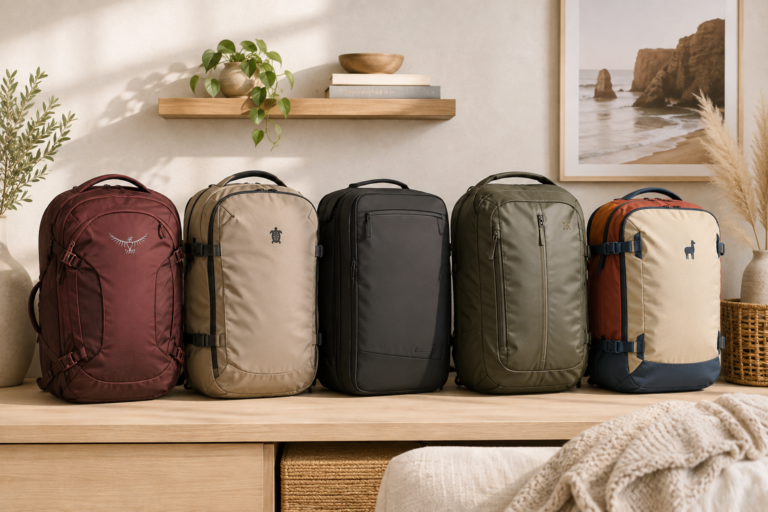
After years of solo travel across Africa I now pack in a carry-on for trips up to two weeks. Not because I enjoy restrictions but because I have learned that what you carry on your back determines how freely you move and freedom is the entire point of traveling alone.
Packing for an African trip is different from packing for Europe or Southeast Asia and anyone who has done both will tell you this immediately. The climate diversity alone — from the cool highland mornings of Rwanda to the intense coastal heat of Zanzibar to the cold desert nights of Namibia — requires a different kind of thinking than destinations with more predictable weather. Add the reality of long travel days, varying levels of infrastructure, safari excursions, religious and cultural considerations and the particular vulnerability of being a woman traveling alone and packing becomes a genuinely strategic exercise.
The women who pack well for solo African travel are not the ones who bring the most. They are the ones who bring the right things. This list is the result of years of learning exactly what those things are — some through good research, some through expensive and inconvenient mistakes.
Pack smart. Travel freely. These fifteen items make the difference between a trip that feels effortless and one that feels like you are carrying a problem with you everywhere you go.
First time solo trip ? Read the post below for Nia’s advice on solo travel
Why Packing For An African Trip Is Different
Africa is not a single destination. It is a continent of 54 countries with extraordinary diversity of climate, culture, infrastructure and terrain. Understanding this before you pack is the first and most important preparation you can do.
The climate variation across Africa requires clothing that layers and adapts rather than outfits designed for a single temperature. Nairobi sits at 1,700 meters above sea level and can be genuinely cool in the mornings. Zanzibar is tropical and humid year-round. Namibia’s desert nights drop to temperatures that surprise travelers who packed only for the daytime heat. Rwanda has a temperate highland climate that feels nothing like the tropical Africa most people imagine. You need clothing that works across a range of conditions.
Urban and safari environments require different practical considerations. City exploration in Accra or Cape Town or Dakar calls for comfortable walking shoes and light breathable layers. A safari in the Serengeti or Etosha requires neutral-colored clothing, layers for cold morning game drives and closed shoes for walking in areas with wildlife. The packing list for one trip that includes both environments needs to cover both.
Long travel days are a consistent reality of African travel. Connecting through multiple airports, long overland transfers between destinations and the logistical reality of distances across the continent mean you will spend more time in transit than you might expect. Packing for comfort in transit rather than for arrival photos pays dividends in your actual energy levels when you arrive.
Access to specific products varies significantly across destinations. In Nairobi, Accra and Cape Town you can find most things you need. In more remote safari areas or smaller island destinations certain products may be unavailable or significantly more expensive than you are used to paying. Bringing what you know you need rather than assuming you will find it on arrival is not overcaution — it is experience.
Trusted booking platforms Nia uses while traveling solo.
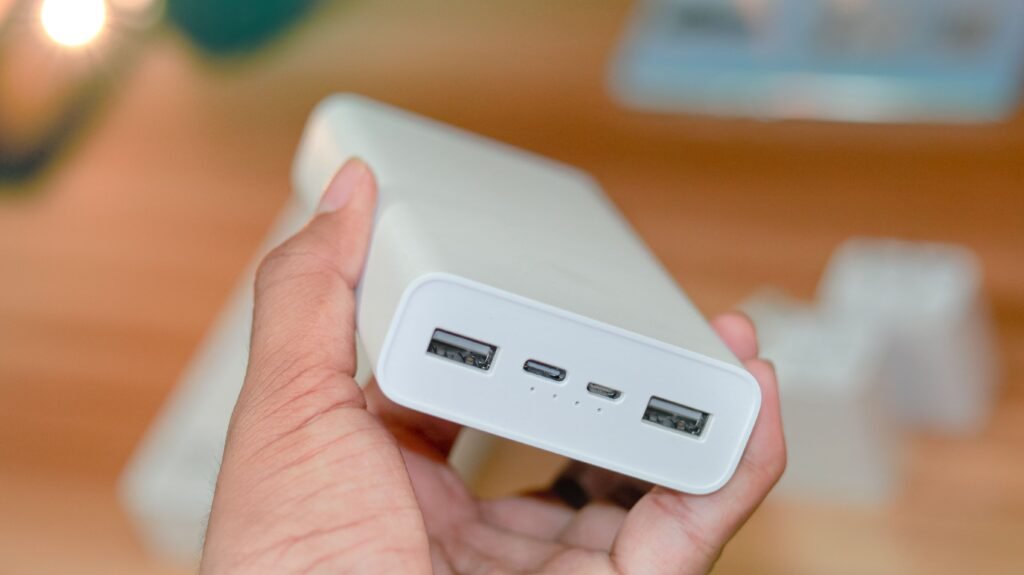
1. A Reliable Power Bank
A power bank is not optional for solo travel in Africa. It is infrastructure.
Your phone is simultaneously your map, your translator, your emergency contact, your camera, your boarding pass, your booking confirmation and your connection to everyone who knows where you are. A dead phone on a solo trip is an inconvenience in some situations and a genuine safety concern in others.
African airports experience delays with more frequency than travelers from more predictable aviation networks expect. The power sockets at gates are often occupied or non-functional. Long bus or minibus transfers between cities and national parks can take four to eight hours without a charging point. A safari game drive does not come with USB ports.
Choose a power bank that charges your phone at least twice. 20,000mAh is a reliable capacity for most smartphones. Make sure it is charged fully before every departure. Carry it in your day bag not your checked luggage. And know that the day you decide you do not need it will be the day your phone dies at hour three of a six-hour overland transfer with no signal and no landmarks you recognise.
Nia’s recommendation: Anker PowerCore power banks are reliable, reasonably priced and widely available. Do not buy the cheapest option you can find. Your phone’s ability to function is worth the extra twenty dollars.
2. A Universal Travel Adapter
Africa uses multiple plug types depending on the country and sometimes within the same country. South Africa uses Type M plugs with three large round pins. Kenya uses Type G plugs which are the same as the United Kingdom. Rwanda uses Type C and Type J. Morocco uses Type C and Type E. A universal travel adapter that handles all types removes the guesswork and the frustration of arriving at a hotel room unable to charge anything.
Buy a universal adapter with USB ports built in. This allows you to charge multiple devices simultaneously from a single wall socket without needing to bring multiple device-specific chargers. The version with surge protection is worth the extra cost because power supply fluctuations exist in some African destinations and electronics are expensive to replace mid-trip.
Do not buy the cheapest version available at the airport. You will pay three times the normal price and receive a product that lasts three weeks. Buy a reliable adapter at home before you travel and pack it in your carry-on so it is never in a bag that might not arrive with you.
3. Comfortable Walking Shoes
I have a simple rule about shoes for African travel. If I cannot walk ten kilometers in them without thinking about my feet they are not coming.
Comfortable walking shoes are the single most practical packing decision you make for an African trip. City exploration involves more walking than most first-time travelers expect. Airport connections can require moving quickly across large terminals. Day tours in markets, medinas and historic sites involve hours on your feet on uneven ground. Safari excursions in some areas involve walking components where appropriate footwear is a safety requirement.
Fashion is not worth blisters. Blisters on day two of a ten-day solo trip are miserable in a way that no amount of aesthetic appreciation of the shoes that caused them can compensate for.
Bring one pair of comfortable closed shoes that work for everything from city walking to light hiking. If your trip includes beach time bring one pair of sandals or flip flops for the beach only. Two pairs. That is enough. The third pair you are considering leaving behind.
Kigali is one of Nia’s fav .Read the guide below you might fall in love with it
4. A Crossbody Anti-Theft Bag
A crossbody bag worn across the body rather than hanging from one shoulder is the most practical and safest daily bag choice for solo female travel anywhere and especially in busy urban environments across Africa.
The crossbody position makes the bag significantly harder to snatch than a shoulder bag because removing it requires moving the strap over your head rather than simply pulling from one side. Keeping the bag in front of your body rather than behind you means it remains in your sight line. Anti-theft features including lockable zippers, cut-resistant straps and RFID-blocking interior pockets add meaningful protection without adding meaningful weight.
Your crossbody bag should be large enough for your essentials — phone, wallet, passport copy, hand sanitiser, small water bottle, power bank — but small enough that it does not become a burden to carry all day. The bag should be structured enough that it maintains its shape without collapsing against your body which makes accessing items while moving significantly easier.
Leave your good handbag at home. Carry what you need to carry. Keep both hands free and your valuables close.
5. Copies Of Important Documents
This is the item that feels bureaucratic until the moment you need it and then feels like the most important thing you ever thought to do.
Before every solo trip Nia makes digital and physical copies of the following documents. Passport photo page and any relevant visas. Travel insurance policy with the emergency contact numbers highlighted. Flight itinerary including all connection details. Hotel bookings and accommodation addresses for every destination on the trip. Emergency contacts at home with their phone numbers written in a format that works without internet access.
The digital copies live in her email — sent to herself so they are accessible from any device — and in a secure cloud storage folder. The physical copies are folded and kept separately from the originals. If the originals are stolen the copies are in a different location and allow you to navigate the replacement process with something to show.
The scenario where you need these copies involves a stolen or lost bag, a hotel that needs proof of booking before check-in, a border crossing that requires documentation you did not know to have ready or a medical situation where someone else needs to contact your insurer or your emergency contacts on your behalf.
It takes twenty minutes to prepare these documents before a trip. That twenty minutes has the potential to save you days of stress and significant expense in a situation where you least need additional problems.
6. A Lightweight Scarf Or Wrap
A lightweight scarf or wrap is the most versatile item on this entire list. A single piece of fabric that takes up almost no space in your bag and earns its place on every single trip.
On planes and in heavily air-conditioned airports it functions as a blanket or a layer over your shoulders when the temperature drops to the level that long-haul travel seems to require regardless of the actual climate outside.
In religious sites — mosques in Morocco and Senegal, temples in East Africa — it covers your shoulders and head where modesty requires it. Not carrying one means either avoiding these experiences or being handed a borrowed covering at the entrance that never quite fits properly.
At the beach it functions as a cover-up over your swimwear when you move between the beach and the restaurant or the market. In unexpected cold snaps — highland mornings, cool ferry crossings, air-conditioned safari vehicles — it adds a layer that was not in the forecast.
Buy a large one in a neutral color or a print you genuinely love. Cotton or a cotton-linen blend is ideal for African climates. It will be the item you reach for more often than almost anything else in your bag.
7. A Reusable Water Bottle
Staying hydrated in African climates is not optional. The heat in most African destinations, combined with the physical activity of travel days, the dehydrating effects of air travel and the adjustment your body makes to new food and water quality, means you need to be drinking more water than you probably naturally remember to drink.
A reusable water bottle saves you money across every airport you transit through where the price of a single-use water bottle is set at the level airports believe they can charge for the inconvenience of your thirst. Over a ten-day trip through multiple airports and destinations the savings are real.
It also reduces the plastic waste you generate in destinations where plastic bottle disposal infrastructure may be limited.
Choose an insulated bottle that keeps water cold for at least twelve hours. In tropical African heat room temperature water is less appealing than cold water and the insulation makes a genuine difference to how often you actually drink. A 500ml to 750ml size is practical for day bags without being heavy when full.
Where tap water is not safe to drink — which is the case in many African destinations — use a SteriPen or water purification tablets as an affordable alternative to buying plastic bottles daily, or fill from sealed water dispensers which are available at most hotels and guesthouses.
8. Basic Medication Kit
A small medication kit is travel insurance in physical form. You pack it hoping you will not need it and you are grateful every time you do.
Nia’s travel medication kit contains the following items in small quantities sufficient for the length of the trip plus two days for buffer. Pain relief for headaches and minor injuries. Antihistamine for allergic reactions to food, plants or insect bites. Stomach remedies including rehydration salts for traveler’s diarrhea which is common in new food environments and genuinely incapacitating if you are not prepared for it. Plasters and antiseptic wipes for minor cuts and blisters. Any prescription medications with a doctor’s note confirming the prescription. Malaria prophylaxis for destinations in malaria risk zones — consult a travel health clinic at least four weeks before departure for the appropriate medication for your specific itinerary and health profile.
The scenarios where you need this kit include a headache on an overnight bus with no pharmacy for six hours, an allergic reaction to food you did not know you were allergic to, a blister from walking that gets worse without treatment and the stomach adjustment that most travelers experience in their first few days in a new destination.
Buy a small zip pouch designated only for medications. Label everything clearly. Check expiry dates before each trip.
9. Travel Insurance Information
Travel insurance is the item on this list that costs money before the trip rather than during it and is therefore the item most frequently skipped by travelers who then spend a significantly larger amount of money dealing with the consequences of not having it.
Nia does not travel without comprehensive travel insurance. Not the basic version that covers flight cancellations. The version that includes medical treatment in the destination country, medical evacuation to a facility capable of providing appropriate care if local facilities are inadequate and emergency repatriation if necessary.
Medical evacuation from a remote African destination without insurance costs between $50,000 and $200,000 depending on the location and the nature of the emergency. With insurance it costs the excess on your policy.
Print the policy summary and emergency contact number. Save it in your phone. Know which number to call and have it accessible without internet access. Tell your travel companion or your emergency contact at home what your insurer is and where to find your policy details.
SafetyWing is a well-regarded and affordable travel insurance option for budget-conscious travelers. World Nomads is widely used by solo female travelers specifically and covers adventure activities including safari and hiking that some standard travel insurance policies exclude.
10. Portable Laundry Supplies
Portable laundry supplies are the packing hack that allows you to travel with significantly less clothing than you think you need.
Laundry soap sheets are thin dissolvable sheets that work like liquid detergent. They take up almost no space, weigh almost nothing and allow you to handwash items in your hotel sink and have them dry by morning in most African climates where heat and airflow are reliable.
A travel clothesline with built-in clips that requires no hooks or nails allows you to hang items between any two fixed points in your room. Together these two items cost under fifteen dollars and replace the need for multiple extra outfits.
The practical result is that a ten to fourteen-day trip becomes manageable with seven days of clothing if you wash as you go. This means your bag is lighter, you have more flexibility to buy something you love in a market without worrying about where it will fit and you are never in the position of wearing the same unwashed outfit for day four because you miscalculated.
11. A Good Day Backpack
A lightweight day backpack separate from your main luggage is one of the most practically useful items you can carry on an African trip.
Your main bag stays at the hotel. Your day backpack goes with you. It carries your water bottle, your power bank, your scarf, your medication kit, your camera, your sunscreen and whatever you buy during the day without requiring you to carry your full luggage through markets, on game drives and into restaurants.
On safari specifically a day backpack is the correct bag for your binoculars, camera with extra batteries, layers for the cold morning drive, snacks and any personal items you need for the day. Many safari vehicles have limited storage and a structured day backpack that sits upright keeps your items accessible and organised throughout the drive.
Choose a backpack that is lightweight when empty — under 500 grams ideally — with a laptop compartment if you are working remotely during your trip, a water bottle holder on the side and enough structure to keep its shape when carried. Anti-theft features are a bonus for urban day use.
12. Offline Maps And Travel Apps
Internet access is not consistent across all African destinations. Rural areas, national parks and some island destinations have limited or no mobile data coverage. Building your navigation and communication strategy around the assumption of consistent internet access is a mistake that causes unnecessary stress when the connection disappears.
Download Google Maps offline for every destination on your itinerary before you leave wifi. The offline maps work without any data connection and provide navigation that is accurate for most roads in most African destinations. Do this before you arrive not after, when you may not have a reliable connection to complete the download.
Apps worth having downloaded and set up before departure include a currency converter that works offline, a translation app with offline language packs for the languages of your destination countries, your airline apps with your boarding passes saved offline and your accommodation booking confirmations downloaded as PDFs.
WhatsApp is the most widely used communication platform across Africa for both personal and business communication. Most hotels, local guides and tour operators communicate through WhatsApp. Have it installed and know your international number.
13. A Small Emergency Cash Reserve
Nia does not travel without emergency cash. Not large amounts. A reserve she considers genuinely untouchable except in a situation that genuinely requires it.
The scenarios that require emergency cash are more common in African travel than in destinations with more reliable banking infrastructure. ATMs that are out of service or out of cash in smaller towns. Card payment systems that are down in a restaurant at the end of a meal. A taxi that only accepts cash when your phone is dead and you cannot access your mobile payment. A border crossing where the visa on arrival can only be paid in USD cash.
Keep your emergency cash separate from your main cash. In a different pocket, a different compartment of your bag, folded into a travel document holder that goes into your crossbody bag rather than your wallet. The physical separation means it is not the money you accidentally spend and it is not the money that disappears if your wallet is pickpocketed.
USD cash is the most universally useful foreign currency to carry across Africa. It is accepted alongside local currency at most hotels, safari operators and tourist-facing businesses across East, West and Southern Africa.
14. Lightweight Neutral Clothing
The capsule travel wardrobe is not a trend. It is a practical solution to the problem of wanting options without carrying weight.
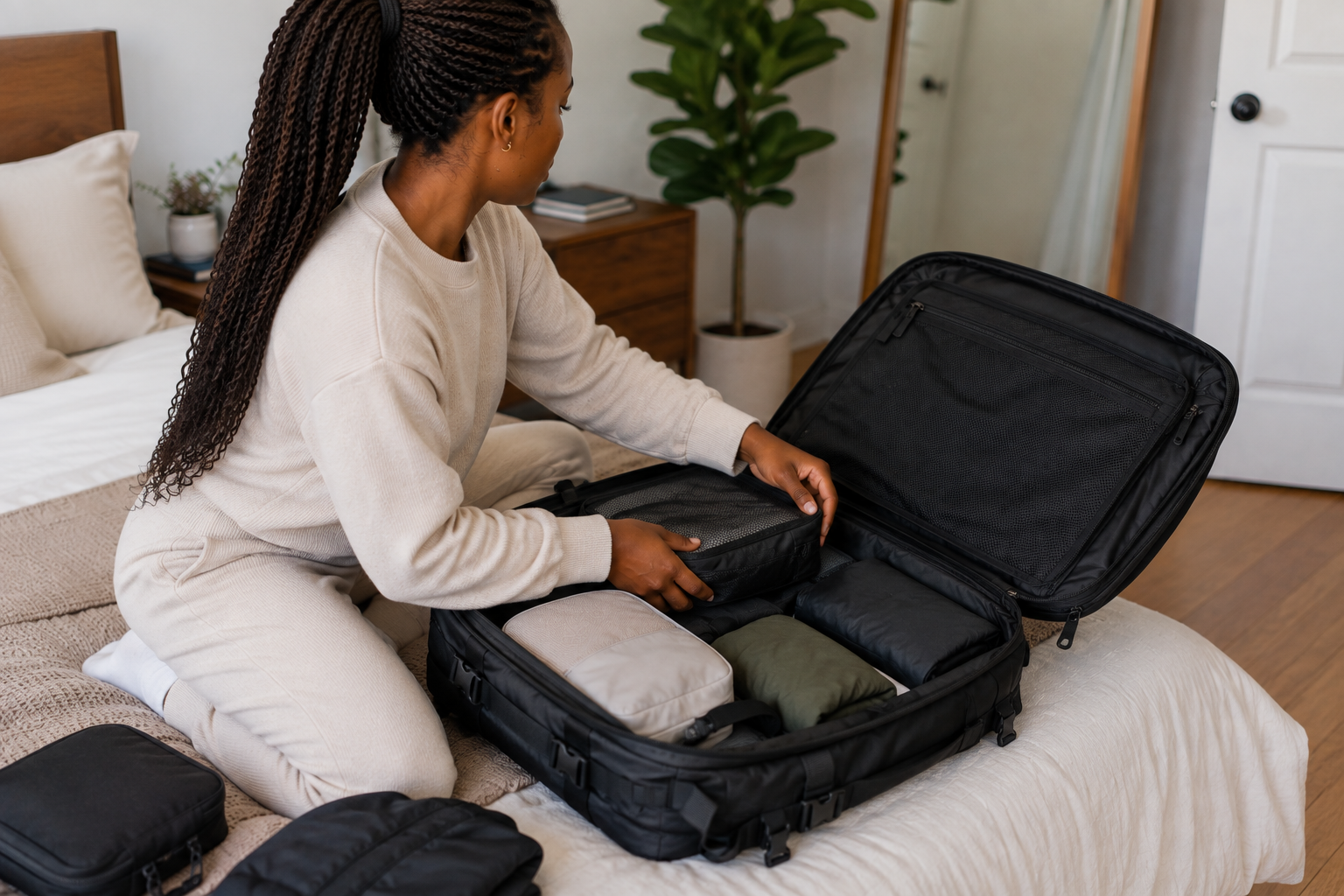
Lightweight neutral clothing — navy, black, white, khaki, olive, beige — works across more combinations and more contexts than patterned or brightly colored pieces. Three tops in neutral colors create nine outfit combinations with three bottoms. Three tops in three different prints create three outfit combinations with the same three bottoms. The math makes the case for neutrals clearly.
Packing cubes are the organisation system that makes a carry-on functional for a long trip. Each cube contains a category of clothing — tops, bottoms, underwear and socks, sleepwear. The cubes compress the contents and allow you to find what you need without unpacking everything every time.
For African travel specifically bring at least one long-sleeved lightweight layer for cool mornings and evenings, one outfit appropriate for religious or culturally conservative sites, one smart casual outfit for good restaurants and one outfit you are happy to ruin on a dusty safari day. Everything else builds around these four anchor pieces.
Leave the new shoes at home. Leave the white clothing that will be visibly dusty after one day in a dry landscape. Leave the outfit you have not worn at home yet and are hoping to debut on the trip. Bring the things you already know work on your body and in your life.
15. Confidence And Common Sense
This is the item that weighs nothing and makes the most difference.
Confidence does not mean fearlessness. It does not mean walking into situations without reading them or ignoring the information your instincts are providing. Confidence in solo travel means the accumulation of evidence that you can handle what comes — and that evidence only arrives through going.
Your instincts are one of your most reliable safety tools. If something feels wrong it is worth taking seriously before it becomes a situation that requires a response. If a person makes you uncomfortable you are allowed to move away from them without apology. If a route feels unsafe after dark you are allowed to choose a different one without explaining yourself to anyone.
Common sense means arriving in destinations having done the research. Knowing which areas to avoid at night. Knowing what transport is safe and what is not. Knowing the emergency number for the country you are in. Knowing where your nearest embassy or consulate is. None of this research is about fear. It is about being the kind of traveler who handles unexpected situations from a position of preparation rather than panic.
Solo female travel in Africa has taught me more about my own capability than any other experience in my adult life. Not because everything went perfectly — some things did not. But because handling the things that did not go perfectly, alone, with the resources I had brought and the information I had prepared, built a confidence that transferred into every other area of my life.
You are more capable than the fear makes you feel. Go find out.
My Personal Solo Travel Packing Philosophy
I pack lighter now than I did five years ago. Significantly lighter. Not because I have fewer needs but because I have better judgment about what actually serves me and what I am carrying for comfort that turns out to be anxiety rather than necessity.
The heaviest bags I have ever carried were on trips where I was least sure of myself. Overpacking is often emotional before it is practical. It is the physical expression of wanting to be prepared for every possible scenario including the ones that will not happen. The lighter I have learned to pack the more confident I have become as a traveler and I do not think that relationship is a coincidence.
My current packing rule is simple. Everything must fit in a carry-on. Everything must have been used on at least one previous trip. Nothing makes it in because it might be useful. If it is not a definite yes it is a no.
The best trips I have taken were the ones where I was not thinking about my luggage. Where my bag was light enough to carry without effort, small enough to navigate busy markets with, simple enough that I knew immediately where everything was. The worst travel days I have had were the ones where I was managing too much stuff in situations that already required my full attention.
Pack for freedom. Not for the version of the trip that exists in your imagination. For the actual trip — the long transfer days, the dusty safari vehicles, the hostel rooms where you are sharing a bathroom, the market where your hands need to be free and your bag needs to be secure.
Everything else is just luggage.
Final Thoughts — Pack For The Experience Not The Photos
The most important thing you will bring on your solo African trip is not in your suitcase.
It is the decision to go. It is the willingness to navigate the unfamiliar without someone to defer to. It is the readiness to handle whatever comes with the resources you have prepared and the judgment you have built.
Africa will give you experiences that no packing list can prepare you for fully. The specific quality of the light on the Serengeti at sunrise. The sound of the Atlantic against the ramparts of Essaouira. The call to prayer echoing through Stone Town at dusk. The moment on a Kigali hilltop when a city that rebuilt itself from nothing makes you believe that you can rebuild whatever needs rebuilding in your own life.
None of that comes from what you packed. It comes from going.
Pack the fifteen items on this list. Pack light enough that you move freely. Pack smart enough that you are prepared for what actually happens rather than what you imagine might happen.
And then go.
Africa is waiting.
With love, Nia
FAQ
What should a woman pack for a solo trip to Africa?
The essentials for solo female travel in Africa include a reliable power bank, universal travel adapter, comfortable walking shoes, a crossbody anti-theft bag, copies of important documents, a lightweight scarf, a reusable water bottle, a basic medication kit, comprehensive travel insurance, portable laundry supplies, a day backpack, offline maps and travel apps, emergency cash in USD, lightweight neutral clothing and the confidence to trust your instincts. Packing light and packing smart matters more than packing everything.
How much luggage do I need for a two-week African trip?
A carry-on suitcase or backpack plus a day bag is sufficient for most two-week African trips when you pack a capsule wardrobe of lightweight neutral pieces and bring portable laundry supplies. Many experienced solo travelers in Africa use only a carry-on for trips up to three weeks. Checked luggage is useful for safari trips with specific equipment needs or trips spanning multiple very different climates.
Is it safe to travel solo in Africa?
Many African destinations are genuinely safe for solo female travelers with proper preparation and destination research. Rwanda, Morocco, Namibia, Botswana, Ghana and Tanzania are among the most consistently recommended destinations for solo women. Safety requires awareness, destination-specific research, appropriate accommodation choices and trusting your instincts in unfamiliar situations. Read Nia’s full guide to solo female travel in Africa on HerDailySpace for honest safety information by destination.
What clothes should I pack for Africa?
Lightweight neutral clothing that layers and mixes easily is the most practical choice for African travel. Include at least one long-sleeved layer for cool mornings and evenings, one modest outfit for religious or culturally conservative sites, comfortable walking clothes for daily exploration and neutral-colored clothing for safari if your trip includes game drives. Avoid bright colors, white clothing and new unworn shoes.
Should I carry cash when traveling in Africa?
Yes. USD cash is the most universally useful foreign currency to carry across Africa and a small emergency reserve separate from your main cash is a practical necessity. ATMs are not always reliable outside major cities, card payment infrastructure varies significantly by destination and some border crossings and remote services are cash only. Never rely entirely on digital payment methods in African destinations.
What travel apps are useful for solo travelers in Africa?
Google Maps with offline maps downloaded for your destinations, a currency converter that works offline, WhatsApp for communication with hotels and guides, your airline app with boarding passes saved offline and a translation app with offline language packs are the most practically useful apps for solo travel in Africa. Download and set everything up before you leave reliable wifi.
Do I need travel insurance for an African trip?
Yes without exception. Comprehensive travel insurance including medical treatment, medical evacuation and emergency repatriation is essential for African travel. Medical evacuation from a remote destination without insurance can cost $50,000 to $200,000. SafetyWing and World Nomads are both widely used and recommended options for solo female travelers. Never travel in Africa without it.
What is the biggest packing mistake solo travelers make?
Overpacking is the most common and most consequential packing mistake for solo travelers. A heavy bag limits your mobility, exhausts you on long travel days, complicates getting onto and off public transport and forces you to think about your luggage in situations that require your full attention. Pack for the actual trip rather than for every possible scenario. If you are uncertain whether to bring something leave it at home.