How to Find Last-Minute Travel Deals Without Overspending

Last-minute travel has a reputation for being either a brilliant money-saving move or an expensive panic purchase.
The truth is somewhere in between. Whether last-minute booking saves you money depends almost entirely on how flexible you are willing to be.
What's In This Post
ToggleHere is how to make it work.
Can Last-Minute Travel Really Be Cheaper?
Sometimes. Not always.
The idea that waiting until the last minute automatically produces the best prices is a myth worth letting go of. Airlines and hotels use dynamic pricing that responds to demand. When a flight is filling up, the price goes up. When a hotel has empty rooms close to the date, the price may come down. Both things happen and you cannot always predict which one applies to your specific search.
What last-minute travel does give you:
Flexibility. If you are willing to go wherever the best deal is rather than committed to a specific destination, last-minute booking can produce genuinely good value. The traveler who searches with open dates and an open destination finds better prices than the one who has already decided she is going to Zanzibar on a Friday.
When last-minute does not work well:
Peak season. School holidays. Major events in your destination. Popular routes with limited seat availability. If you are trying to book last-minute for a flight that is already seventy percent full, you are not getting a deal. You are getting whatever seats are left.
The traveler with flexibility wins at last-minute travel. The traveler with a fixed destination and fixed dates usually does not.
How to Find Last-Minute Travel Deals
Be flexible with your dates
Shifting your departure by one or two days can produce a significantly different price. Mid-week travel, Tuesday and Wednesday departures specifically, is consistently cheaper than weekend travel on most routes.
Use the flexible date search options on comparison platforms. Search across a range of dates rather than a single departure date and look at the cheapest day within your available window.
Compare nearby airports
If you are within reasonable distance of more than one airport, check all of them. The price difference between flying from a major hub and a smaller regional airport can be significant. Factor in the cost of getting to the alternative airport before deciding whether the saving is genuine.
Search different destinations
If you have flexibility about where you go, start with a budget rather than a destination. Search for flights from your nearest airport within your budget and see what is available. Some comparison platforms allow you to search the cheapest destinations from your location for a given date range.
This approach requires a genuinely open mind but it is the most effective way to use last-minute pricing to your advantage.
Look at package deals
When you are booking close to a travel date, package deals from operators who need to fill remaining capacity can be competitive. Check package prices alongside independent booking to see which works out cheaper for the total trip.
Check hotel prices separately
Do not assume the first price you see for accommodation is the best available. Check the hotel’s own website alongside third-party platforms. Hotels sometimes offer lower direct booking rates, particularly close to the date, because they prefer to avoid the commission paid to booking platforms.
Best Trips for Last-Minute Booking
City breaks: Cities with good flight connectivity and plentiful accommodation options are the most last-minute friendly destinations. The variety of flights and accommodation price points means competitive pricing is more available than on a route with one or two weekly flights.
Beach holidays: Off-season beach destinations can produce genuine last-minute value when operators and hotels are trying to fill remaining capacity. Peak-season beach holidays are rarely cheap at the last minute because demand fills the supply before the discount pressure arrives.
Short solo trips: A two to four night solo trip is easier to book last-minute than a longer holiday because the logistics are simpler, the accommodation commitment is smaller, and you are making decisions for one person rather than coordinating a group.
Off-season travel: The shoulder season and off-season for a destination are the times when last-minute deals are most genuinely available. Traveling to a destination just outside its peak window often produces better prices than the same destination booked last-minute in high season.
How to Save Money as a Solo Traveler on a Last-Minute Trip
Watch the single room cost carefully
Last-minute accommodation pricing is unpredictable. What remains available close to the date is sometimes cheaper because it has not sold and sometimes more expensive because it is the last option. Check whether single occupancy is genuinely what you are paying for or whether a double room priced for two people is being shown without accounting for solo use.
Choose simple accommodation
A well-located guesthouse or smaller hotel over a large resort property. Simpler accommodation is often more competitively priced last-minute and for solo travel it usually offers better value than a resort designed and priced for couples or families.
Use public transport
Researching local transport options before you arrive saves money and removes the stress of figuring it out on arrival. Airport buses, metro systems, and shared taxis are almost always cheaper than private transfers. Know your options before you land.
Travel with carry-on luggage only
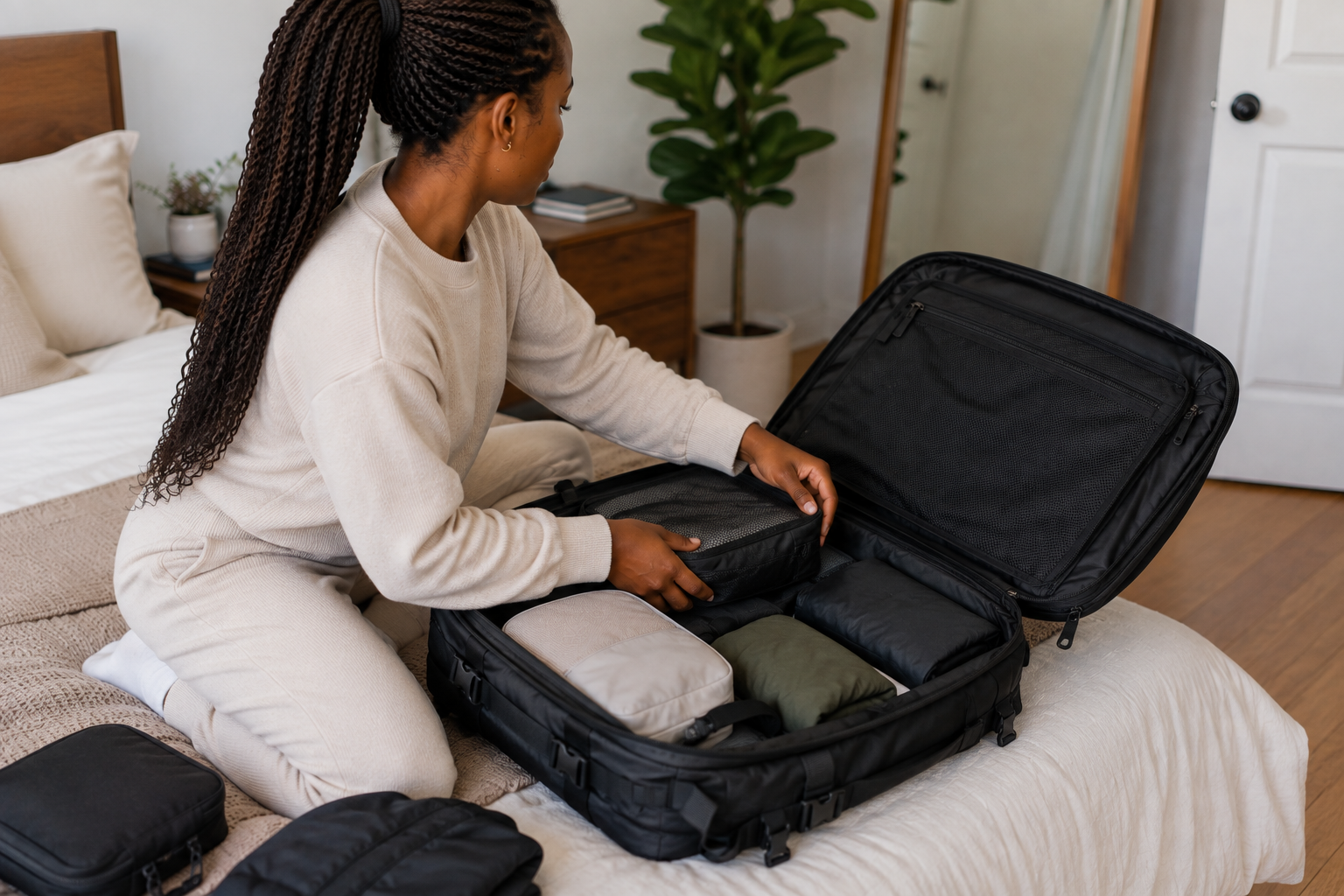
On a short last-minute trip this is genuinely achievable and the saving on checked baggage fees is real. Many budget airlines charge as much for a checked bag as some travelers pay for their base fare. A well-packed carry-on removes this cost entirely.
What Not to Do
Do not book simply because a price looks cheap. A cheap flight to a destination that requires an expensive hotel, expensive transfers, or expensive activities is not a cheap trip. Look at the total cost of the trip rather than the headline flight price.
Do not ignore baggage and transfer costs. Add these to your comparison before deciding a deal is good. The flight that looks thirty percent cheaper than the alternative may be equivalent in total once the bag and the airport transfer are added.
Do not sacrifice safety for a deal. Accommodation in an area you have not researched because it is significantly cheaper than everything else. Transport options that save money but raise genuine safety concerns for a solo female traveler. A deal that compromises your safety is not a deal worth taking.
Do not skip travel insurance. Last-minute travel does not change the importance of insurance. If anything, the shorter booking window between purchase and travel makes insurance more important because there is less buffer time if something goes wrong before you leave.
Last-Minute Travel Checklist
Before you confirm any last-minute booking, run through this.
Last-Minute Travel Works When You Are Flexible
The traveler who books last-minute successfully is the one who lets the deal determine the destination rather than the destination determine the deal.
If you need to be in a specific place on a specific date, last-minute booking is not your friend. If you are genuinely open to wherever the best value takes you and you have the flexibility to move quickly when a good deal appears, last-minute travel can produce experiences you would not have planned but will not forget.
Stay flexible. Check the total cost. Do not compromise on safety. And pack light enough to leave quickly when the right deal appears.
With love,
Nia
FAQ
Is last-minute travel actually cheaper?
Sometimes. It depends on the destination, the route, the season, and how flexible you are about dates and destination. Last-minute travel is most likely to produce genuine savings when you have real flexibility about where and when you go. Fixed destination and fixed dates at the last minute often produce higher prices rather than lower ones.
What are the best apps and sites for last-minute travel deals?
Flight comparison platforms that offer flexible date and destination searches are most useful. Check Google Flights with the explore feature for open destination searches. Skyscanner with flexible dates. Hotel booking platforms directly alongside comparison sites. Package operator sites for bundled deals close to departure.
How do I avoid overspending on a last-minute trip?
Calculate the total trip cost including flights, accommodation, transfers, baggage fees, and a daily budget for food and activities before committing. The cheap flight that requires an expensive everything else is not a cheap trip. Set a total budget and work backwards from it.
Is last-minute solo travel safe?
With the same preparation you would apply to any solo trip. Research your destination. Choose well-reviewed accommodation in a safe area. Have a transport plan. Keep travel insurance active. The timeline is shorter but the safety preparation is the same.
What should I pack for a last-minute trip?
Keep it simple. A carry-on sized bag with versatile pieces that work across different occasions. Essentials including travel documents, medication, phone charger, and power bank. Avoid checking luggage where possible on short trips to reduce cost and save time.