
How I Protect My Hair While Traveling: My Low-Maintenance Routine for Every Trip
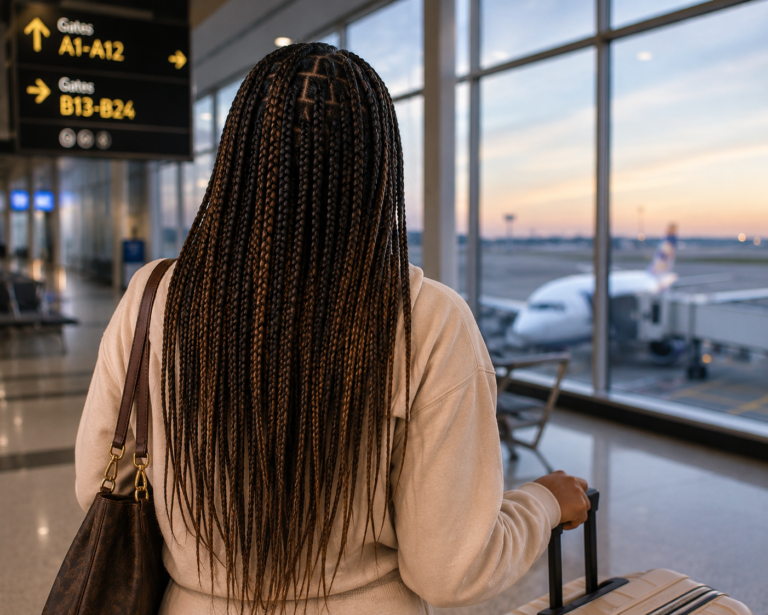
Traveling used to leave my hair in a state I did not fully anticipate until I was already mid-trip and doing damage control.
The first long-haul flight I took as a solo traveller, I landed with my hair feeling like something had removed all moisture from it overnight. Which, in a sense, is exactly what had happened. I spent the first morning of that trip trying to restore something that would have been far easier to protect in the first place, and I have been refining my approach to travel hair ever since.
What's In This Post
ToggleHair care while traveling is not something that gets talked about honestly enough in travel content, particularly for Black women with natural or chemically treated hair who already know that hair care requires real intention at home and does not become simpler the moment you add flights, salt water, different climates, and inconsistent product availability to the equation.
What I have built over five years of solo travel is a hair routine that is genuinely low-maintenance, takes up minimal space in my bag, and keeps my hair in good enough condition throughout a trip that it does not require significant recovery work when I get home. This is that routine.
Read related post: Female Traveling Solo. The Complete Guide Every Woman Needs Before Her First Solo Trip
Why Traveling Is Hard on Your Hair
Understanding what traveling actually does to your hair makes the protective approach make more sense, so before the routine itself here is what you are working against.
Airplane cabin air is aggressively dehydrating. The humidity level in an airplane cabin is typically between ten and twenty percent, significantly lower than the humidity in most homes or outdoor environments. Hair loses moisture to the surrounding air when humidity is low, and hours of sitting in a sealed, recycled-air environment at ten percent humidity produces meaningful dehydration in the hair and scalp. This is before any other factor has had a chance to work.
Salt water is one of the most dehydrating substances your hair encounters during a beach holiday. The salt draws moisture out of the hair shaft and leaves the cuticle roughened and rough-feeling. Repeated exposure over multiple days of swimming creates cumulative dehydration that makes the hair increasingly difficult to manage as the trip progresses.
Chlorine from swimming pools strips the natural oils from the hair even more aggressively than salt water. It opens the cuticle, removes colour from chemically treated or dyed hair faster than almost anything else, and creates the brittle, straw-like texture that anyone who swam regularly as a child will recognise.
Sun exposure dries out both the hair shaft and the scalp. The UV radiation that tans skin also degrades the protein structure of hair over prolonged exposure, leading to a weakened, more fragile strand that breaks more easily and feels rougher than unexposed hair.
Climate changes between your home environment and your destination can cause the hair to respond in ways you are not accustomed to. Higher humidity than you are used to can cause frizz and swelling. Lower humidity creates dryness and breakage. A very different water mineral content from the shower water at your destination can change how products absorb and how the hair behaves.
Read related post: Vacation Nail Ideas for Beach Trips You’ll Actually Want to Wear
The Hairstyles I Choose Before Every Trip
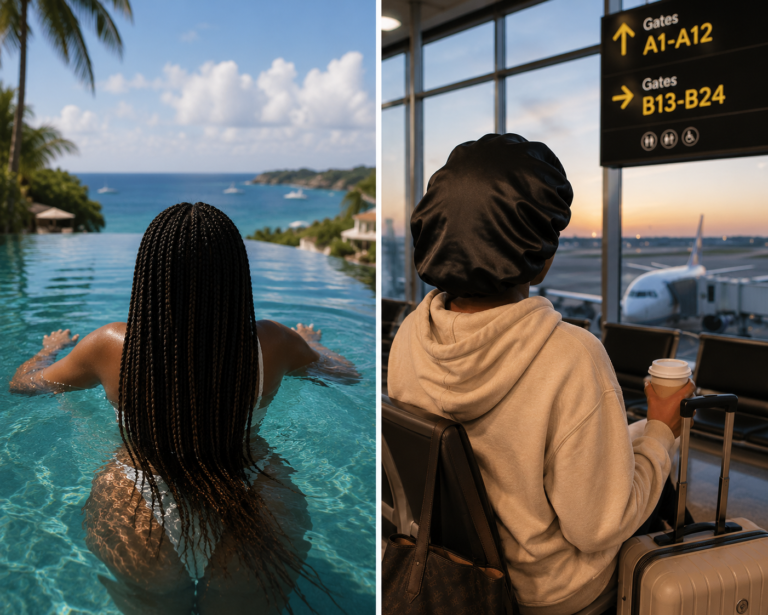
This is the most important protective decision I make before any trip, and I make it before I have packed a single product.
The style you travel in determines how much daily maintenance your hair needs during the trip, how well it withstands the environmental factors listed above, and how much physical space your hair care products take up in your luggage. Choosing the right protective style before departure makes everything that follows significantly easier.
Box braids and knotless braids are my most frequent pre-travel choice for longer trips. The braid structure fully protects the hair shaft from direct sun, salt water, and chlorine exposure. Daily maintenance is reduced to moisturising the scalp, keeping the edges laid, and sleeping with a bonnet. The style remains presentable with genuinely minimal intervention across two to three weeks of travel, which makes it one of the most practical choices available for a solo traveller who does not want to spend significant time on hair during a trip.
Knotless braids specifically have become my preference over regular box braids for travel because the reduced tension at the root is gentler on the edges during the extended wear period of a longer trip. The edges are one of the most vulnerable areas during travel, particularly during flights where the way you rest your head against the seat can create friction and tension at the hairline.
Twists and twist-outs work well for shorter trips of one week or less where the style can maintain its integrity throughout the trip duration without requiring the extended wear that braids provide. Twists protect the hair from direct environmental exposure while producing a more textured, voluminous look than a braided style.
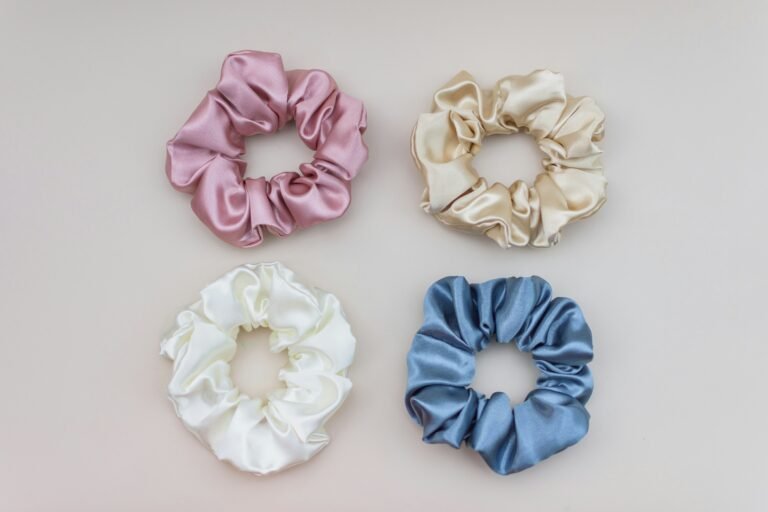
A simple bun or updo in a low-manipulation style is my choice for very short trips of two to three days where installing a protective style would take longer than the trip itself justifies. A well-moisturised bun secured with a satin scrunchie rather than a rubber elastic protects the ends of the hair, which are the oldest and most fragile part of the strand.
What I avoid before trips is wearing my hair loose and unprotected for an extended period. Loose hair in a beach environment experiences the maximum possible exposure to every damaging factor: sun, salt water, wind, and the friction of hats, headrests, and pillowcases. I might wear it loose for one evening for photographs or a specific occasion, but it is never my default travel style.
Read related post: 15 Essential Items To Pack For A Solo African Trip That You Will Actually Use
The Hair Products I Never Travel Without
My travel hair product kit is small. This is deliberate. Decanting products into travel-size containers and then trying to find them at your destination when you run out is one of the friction points I have eliminated entirely by building a kit that is specific, minimal, and covers everything the routine requires.
A leave-in conditioner in a travel-size container or decanted into a small bottle is the foundation of my travel hair kit. Applied to the hair after any water exposure and as part of the morning routine, it restores moisture to the hair shaft and creates a protective layer between the hair and the environmental factors working against it.
A light oil for sealing moisture after the leave-in conditioner. I use a jojoba or argan oil depending on what I have available, applied over the leave-in to seal the moisture into the hair shaft rather than letting it evaporate. A small travel-size bottle takes up minimal space and lasts the length of most trips.
A scalp oil or scalp spray specifically for the scalp rather than the hair length. Braided styles in particular require scalp attention since the braid structure means that the scalp itself rather than the hair shaft needs direct moisture application. A few drops of scalp oil massaged into the partings every few days keeps the scalp healthy and comfortable during an extended protective style.
A refreshing spray or water bottle for reactivating styles and adding moisture between more thorough product applications. Often just a small spray bottle filled with water and a few drops of leave-in conditioner diluted into it, spritzed onto the hair in the morning, is enough to restore the definition and moisture of the style without a full product application.
Edge control for keeping the hairline neat around a braided or twisted style. Edges are one of the first things that become less polished as a protective style ages, and a small edge control product kept in the travel kit means the style continues to look intentional rather than grown-out throughout the trip.
A satin bonnet and satin scrunchies. These are not hair products in the traditional sense but they are non-negotiable items in my travel bag. The satin bonnet protects the hair during sleep from the friction of hotel pillowcases, which are almost always cotton and create the kind of friction that causes frizz, breakage, and disturbed styles overnight. Satin scrunchies secure styles and the bun without the tension and breakage that a rubber elastic creates.
Read related post: Nail Colors That Go With Every Travel Outfit
How I Protect My Hair During Flights
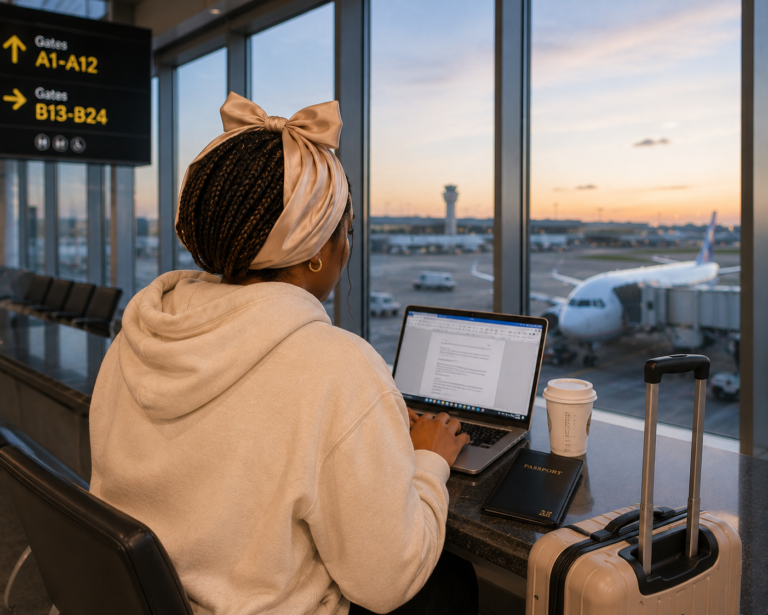
The flight is where most travel hair damage begins, and the approach during a flight significantly affects how the hair arrives at the destination.
I sleep in a satin bonnet on overnight flights without exception. I know this looks unusual and I have genuinely stopped caring about that. The alternative is arriving at my destination with my protective style disturbed and my edges roughed up from hours of friction against an airplane headrest, and no amount of self-consciousness about wearing a bonnet on a flight is worth that outcome.
I keep my hair moisturised before boarding. I apply a leave-in conditioner and seal it with a light oil before I reach the airport. This gives the hair the best possible moisture level going into the dehydrating environment of the cabin rather than trying to restore moisture mid-flight.
I keep my hair in a protective style for the flight even if I plan to wear it differently at the destination. Loose hair during a long flight accumulates damage from cabin air and headrest friction that starts the trip already behind.
I drink water throughout the flight and I apply a small amount of scalp oil to the partings if the flight is particularly long. Hair responds to internal hydration as much as to product application, and the consistent dehydration of long-haul travel shows in the hair as much as anywhere else.
I use a satin pillowcase in my carry-on for very long flights rather than relying on the airline’s provided pillow cover. A small, packable satin pillowcase slipped over the airline pillow before sleeping takes thirty seconds and eliminates the most significant friction source during a long overnight flight.
My Daily Vacation Hair Routine
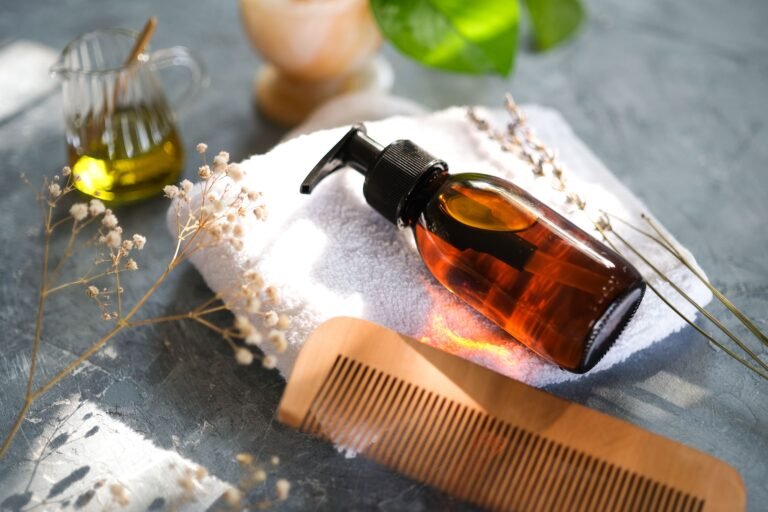
The daily routine I maintain during a trip is significantly shorter than what I do at home, which is intentional. The point of a protective style is that the hair requires less daily attention, and I take full advantage of that on trips.
Morning routine:
Apply a small amount of refreshing spray or diluted leave-in to the style to restore any moisture lost overnight. Apply edge control to the hairline if needed. Secure the style as desired for the day. Apply scalp oil to the partings every second or third day rather than daily. The full morning hair routine takes three to five minutes.
Evening routine:
Remove any accessories from the hair. Apply a few drops of light oil to the length of the braids or twists, focusing on the ends which are most vulnerable to dryness and breakage. Apply scalp oil to any partings that feel dry or itchy. Put on the satin bonnet before sleeping. The evening routine takes two to three minutes.
Beach days specifically:
I wet my protective style with fresh water before entering the ocean or pool. A hair shaft that is already hydrated with fresh water absorbs less salt water or chlorine than dry hair does, which reduces the drying effect significantly. After swimming I rinse the style with fresh water as soon as possible to remove salt or chlorine before it has time to work on the hair. I apply leave-in and seal with oil immediately after rinsing. I allow the style to dry in open air rather than with heat where possible.
Read related post: 10 Best Beach Destinations for Solo Female Travelers. Safe, Stunning and Worth Every Penny
Mistakes I Stopped Making While Traveling
Going into a trip with hair that was already compromised. Dry, brittle hair going into a trip that will expose it to further dehydrating conditions arrives at the destination in worse shape than hair that was well-moisturised and in a strong protective style from day one. I now make sure the hair is in genuinely good condition before I travel rather than hoping the trip will somehow not worsen what is already fragile.
Sleeping without a bonnet on the first night. The first night in a new hotel is the night most likely to skip the bonnet routine because you are tired from traveling and the bonnet is in a suitcase you have not fully unpacked. The hotel pillowcase is aggressively cotton and the first night of friction sets the tone for how the style holds up for the rest of the trip. I now put the bonnet in my personal item or carry-on rather than in my checked luggage for exactly this reason.
Washing my hair mid-trip without a plan for drying it. Washing a protective style mid-trip is sometimes necessary on longer trips but requires understanding that the style needs adequate drying time before sleeping or being exposed to sun and salt water again. I now only wash mid-trip if I have a full day to allow the style to properly dry before anything else.
Packing products I thought I might need rather than products I actually use. Travel hair kits accumulated into expensive, heavy bags of partially used products that covered every scenario rather than a small, specific kit of things I genuinely use on every trip. The smaller, more deliberate kit is lighter, easier to pack, and actually used.
Assuming the hotel will have anything useful for my hair type. Hotel amenities are formulated for straight, fine hair in the vast majority of cases. I now assume nothing at the destination and pack everything I need rather than optimistically hoping the hotel shampoo and conditioner will serve my specific hair type.
FAQ
Can traveling damage natural hair?
Yes, and in several specific ways. The dehydrating environment of airplane cabins removes moisture from the hair during long flights. Salt water and chlorine from beach and pool swimming strip natural oils and roughen the hair cuticle. Prolonged sun exposure degrades protein structure and causes UV damage to the hair shaft. Different climate conditions can disrupt the hair’s response to its usual products. The combination of these factors over a trip of one to two weeks can leave natural hair significantly more dry, fragile, and difficult to manage than it was at departure if protective measures are not in place.
How often should I moisturise my hair while traveling?
Apply a refreshing spray or diluted leave-in daily to maintain moisture in the style. Apply a light oil to the ends every two to three days to seal in moisture and prevent end breakage. Apply scalp oil to the partings every two to three days to keep the scalp comfortable in a protective style. After any salt water or chlorine exposure, rinse with fresh water and apply leave-in and oil immediately, treating this as a moisturising moment regardless of where it falls in the routine schedule.
What is the best hairstyle for a long-haul flight?
A low-manipulation protective style such as braids, twists, or a low bun secured with a satin scrunchie is the best choice for a long-haul flight. Loose hair accumulates friction damage against headrests and seat backs over many hours of flight. A satin bonnet over whatever style you are wearing significantly reduces the damage that sleeping on an airplane headrest produces. The goal is to arrive at your destination with hair in the same or better condition than it boarded in.
Do I need different hair products when traveling internationally?
Your usual products will work as long as you can bring them in adequate quantities for the trip. The main consideration is that water mineral content differs between countries and can affect how products absorb and how the hair behaves. This is more noticeable in areas with very hard water. If you are traveling to a destination with significantly different water than your home, applying a light leave-in immediately after shampooing and before any other product can help manage the difference. Beyond this, your usual products in travel-size quantities are sufficient for most international trips.