
Vacation Nails That Still Look Good After Two Weeks
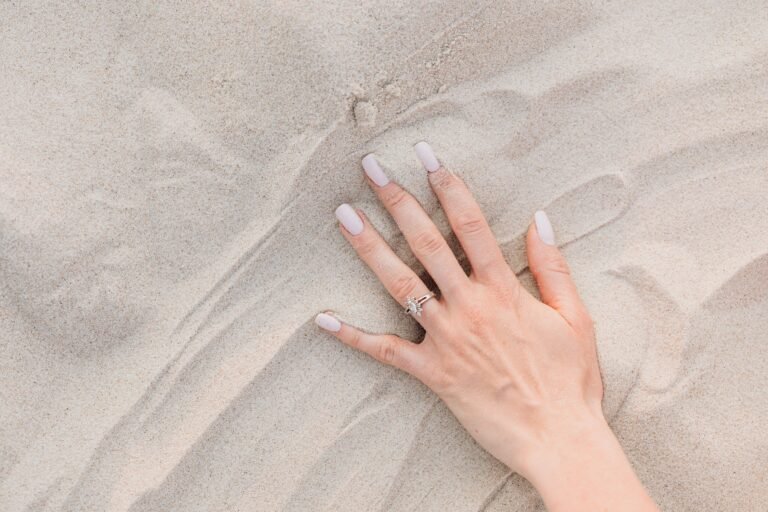
Most manicures do not survive a real vacation.
Not because the polish was bad or the technician was inexperienced, but because nothing in a salon appointment is designed to withstand what an actual holiday puts your hands through. Two weeks of salt water, sunscreen, sand, hotel door handles, zip pulls on luggage, poolside cocktail glasses, and the general physical activity of a person who is actually living her holiday rather than sitting still and protecting her nails.
What's In This Post
ToggleBy day four most standard manicures are showing chips at the edges. By day eight the colour is lifting or dulling. By day twelve you have made peace with the fact that whatever was on your nails when you left home is no longer recognisable.
I have been there enough times to have become genuinely strategic about this. The vacation manicure that still looks good after two weeks is not an accident and it is not luck. It is the result of specific decisions made before you ever sit in the salon chair, during the appointment itself, and in the small daily habits that protect what you have invested in during the trip.
Here is everything I have learned.
Read related post: Nail Colors That Go With Every Travel Outfit
What Actually Makes Vacation Nails Last Longer
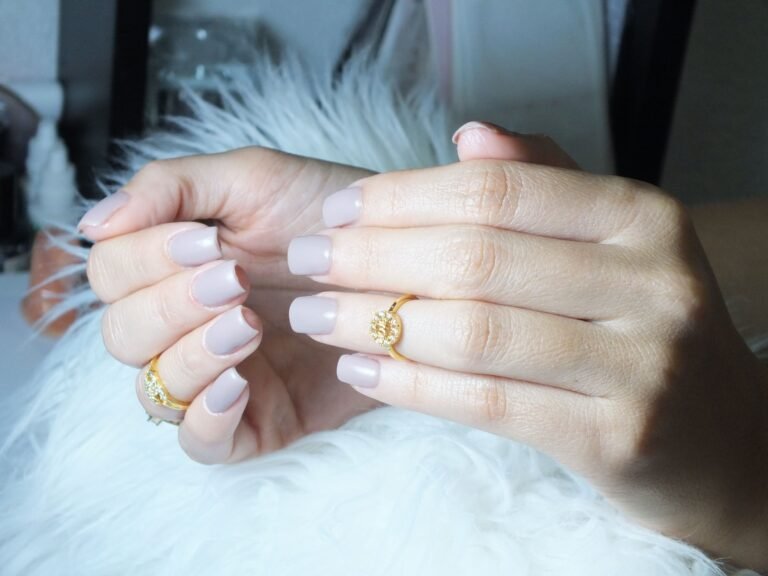
Understanding why manicures fail on holiday is the foundation of preventing it, so before anything else here is exactly what is working against your nails on a trip.
Water immersion is the primary enemy. Every time your nails go into water, whether the ocean, a swimming pool, a bath, or repeated hand washing, the nail plate absorbs moisture and expands slightly. When it dries it contracts. This repeated expansion and contraction weakens the bond between the nail and whatever is sitting on top of it, whether gel, regular polish, or extensions. Multiple water exposures per day, which is the reality of most beach holidays, accelerates this process significantly.
Salt water is harder on nails than fresh water because the salt draws moisture out of both the nail and the cuticle, leading to dehydration that causes brittleness, lifting at the edges, and accelerated chip formation.
Sunscreen is something most nail care discussions completely ignore. Applied multiple times daily to the hands, sunscreen contains ingredients including certain oils and chemical filters that interact with nail polish finishes over time, dulling the surface and in some formulations causing discolouration.
Physical activity of the varied kind that a holiday involves, gripping luggage handles, opening unfamiliar doors, swimming, exploring, cooking in a holiday villa, puts stress on nails in the form of impacts and pressure that a regular working week does not. Each small impact is a potential chip initiation point.
Heat and UV dry out the cuticle and nail plate, which affects adhesion at the edges. UV can also yellow certain polishes and fade certain pigments over time.
Knowing what you are fighting means you can make specific decisions to counter each factor rather than hoping a standard salon appointment will be enough.
Read related post: Vacation Nail Ideas for Beach Trips You’ll Actually Want to Wear
The Best Nail Shapes for a Two-Week Vacation
Shape is the first and most consistently underestimated factor in vacation nail durability, and it is the decision made before a single product touches your nail.
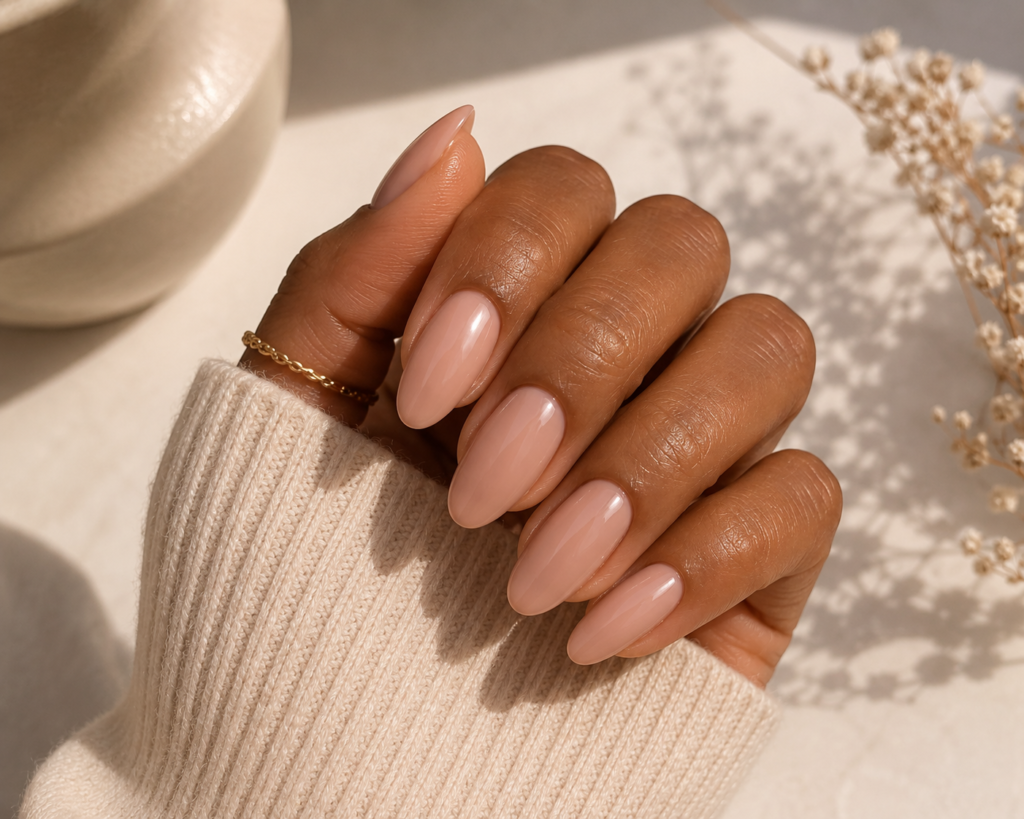
Short to medium oval is my top recommendation for a two-week holiday. The rounded tip has no corners to catch on things and initiate chips. The medium length means enough nail to look beautiful without enough length to be structurally vulnerable to the snags and impacts of an active trip. The oval shape is also among the most universally flattering, elongating most finger shapes without requiring the maintenance commitment of an almond or stiletto.
Squoval is the second best option for durability. The square shape maximises the visible nail surface, which means colour payoff is excellent, while the slightly rounded corners reduce the corner chipping that a full square experiences. Very practical and very consistent for longer trip durations.
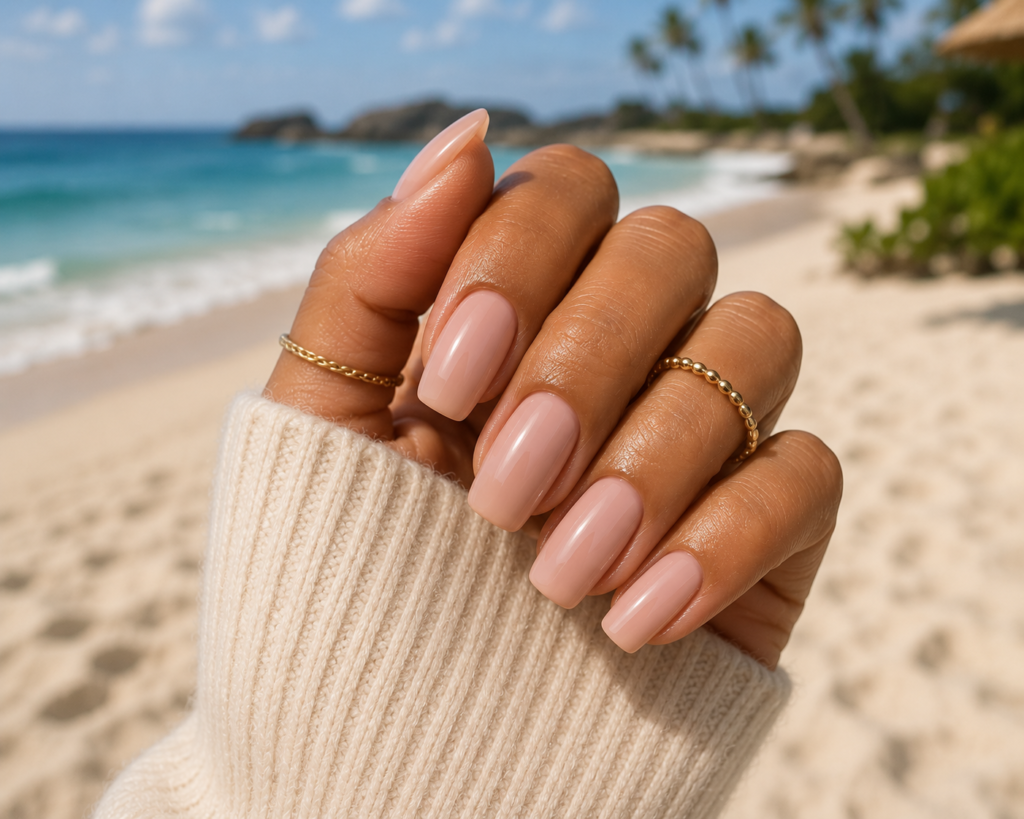
Short round is the most durable shape available, period. No corners, minimal length, maximum adhesion surface. If your priority is two weeks of genuinely worry-free nails and you are happy with a shorter, rounder look, this is the shape that will give you that.
Shapes to avoid for a two-week trip: Long stiletto, long coffin, and very long almond shapes are structurally vulnerable on a holiday. The longer the nail the more leverage any impact has, and the more likely a snag on luggage or a door handle is to cause a break rather than simply a chip. Keep the length manageable and save the dramatic shapes for weeks when you are at home.
Gel vs Builder Gel: What Actually Lasts Longer on Vacation
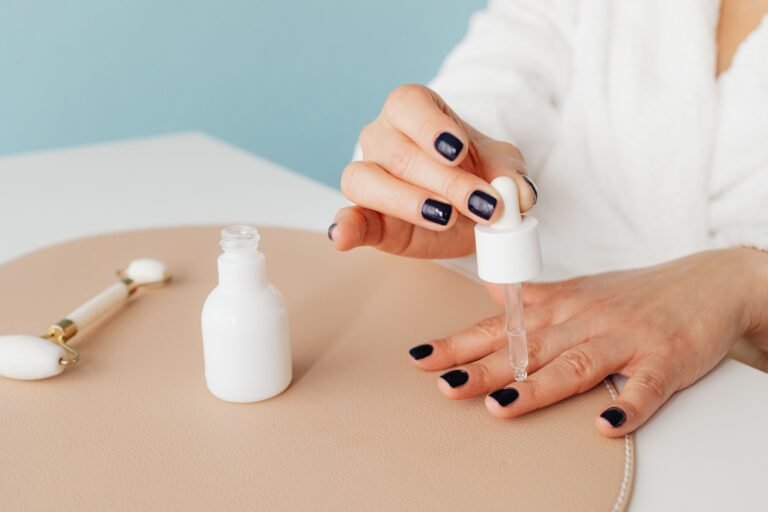
This is the question that matters most for a two-week trip and the answer is more specific than most guides acknowledge.
Standard gel polish is the baseline improvement over regular polish for vacation durability. It is cured under UV or LED light, which creates a harder, more durable finish than air-dried polish can achieve. It resists water immersion better, holds its gloss longer, and chips less easily under normal holiday conditions. For a one-week trip, standard gel applied well over proper preparation is usually sufficient.
Builder gel (also called BIAB, Builder In A Bottle, or hard gel) is a different product that adds structural reinforcement to the natural nail rather than simply sitting on top of it as a colour layer. It creates a harder, thicker surface that is significantly more resistant to breaks and chips than standard gel. For a two-week trip, particularly one involving intensive beach activity, builder gel is the more reliable choice.
The practical difference: Standard gel can chip, particularly at the tips, under aggressive beach conditions over two weeks. Builder gel is less likely to chip because the product itself has more structural integrity. Builder gel also fills and strengthens the natural nail, which means the nail is less likely to break even at a medium length.
The recommendation for a two-week trip: Builder gel base with gel colour on top if you want a specific colour payoff, or builder gel alone in a clear or sheer finish if your priority is pure durability with minimal colour commitment. Ask your technician specifically about BIAB or builder gel rather than standard gel if you have not tried it before a longer trip.
One important note: Builder gel requires professional removal. Do not try to peel or pull it off at the end of your trip. Book a removal appointment when you return.
My Pre-Vacation Nail Checklist
This checklist represents the decisions and preparations that have made the biggest consistent difference to how my vacation manicures perform.
Two weeks before the trip: Begin applying cuticle oil daily. Well-hydrated cuticles are the foundation of good gel adhesion. Dry, lifted cuticles allow product to lift at the edges from day one.
One week before the trip: Avoid any activities that would cause significant nail damage, heavy gardening, aggressive cleaning without gloves, anything that puts your nails under unusual stress immediately before the appointment.
Appointment timing: Book the appointment one to two days before departure. Not the morning of departure, which does not give the gel adequate time to fully harden and settle. Not a week before, which wastes the fresh period of the manicure before the trip has even started.
At the appointment: Ask specifically for a dehydrating primer step before the base coat. This removes natural nail oils from the surface and is the single most effective adhesion improvement available. Some technicians include this automatically. Many skip it. Ask for it specifically.
Request a strengthened base: Ask for builder gel if durability is your priority. If staying with standard gel ask for a stronger base coat designed specifically for durability rather than the thinnest possible base.
Cuticle work: Proper cuticle preparation at the appointment is as important as the product choice. Lifted or rough cuticle edges are entry points for water and lifting. A thorough cuticle treatment at the appointment prevents this.
Cap the tips: Ask your technician to specifically cap or seal the free edge of the nail at every layer. This means running the product across the very tip of the nail to seal it, which significantly reduces tip wear and chipping.
Pack cuticle oil for the trip: Apply it daily throughout the holiday. This is the single most effective daily maintenance habit for extending the life of a gel manicure.
Read related post: 15 Essential Items To Pack For A Solo African Trip That You Will Actually Use
How I Protect My Nails During Beach Trips
These are the daily habits that make the difference between a two-week manicure that still looks good at the end and one that looked finished by day ten.
Wear gloves for any cleaning. Holiday villas and rental properties often involve washing dishes, cleaning surfaces, or handling cleaning products. A single session of cleaning without gloves can do more damage to a gel manicure than two full days of swimming.
Apply cuticle oil every evening. One application before bed, taking thirty seconds, keeps the cuticle and nail hydrated against the drying effects of salt water, sun, and chlorine.
Do not use your nails as tools. Opening cans, pulling zip pulls, picking at labels, prying things open. These are the most consistent causes of chip initiation on holiday and all of them can be done differently with a small amount of awareness.
Rinse your hands with fresh water after ocean swimming. Salt left on the nail and cuticle continues its drying work even after you have left the water. A quick fresh water rinse after every ocean dip significantly reduces the cumulative dehydrating effect of salt on the nail.
Apply sunscreen with your palm rather than your fingertips where possible. This reduces direct sunscreen contact with the nail surface and minimises the dulling effect over time.
Carry a nail file. A small snag left unaddressed on day three becomes a break on day five. Filing a small snag immediately when it happens prevents escalation.
Accept some wear gracefully. Even the most strategically prepared vacation manicure will show some evidence of two weeks of real life. The goal is nails that still look polished and intentional at day fourteen, not nails that look freshly done. That distinction matters because it changes how you see the success of the manicure during the trip.
FAQ
What type of manicure lasts longest on vacation?
Builder gel applied over properly prepared natural nails with a dehydrating primer step lasts longest in vacation conditions. Standard gel is the next most durable option. Both significantly outperform regular polish for trips involving water, sand, and active daily use. Regular polish with a strong top coat is the most accessible option but requires realistic expectations about longevity, particularly on trips longer than one week.
What is the difference between gel and builder gel for vacation nails?
Standard gel is a colour product cured under UV light that sits on top of the natural nail. It is more durable than regular polish but does not add structural strength to the nail itself. Builder gel is a thicker, harder product that reinforces the natural nail and creates a structurally stronger surface that resists chips and breaks more effectively. For a two-week active holiday builder gel is the more reliable option, particularly if your natural nails tend to be flexible or prone to breaking.
Should I get a manicure before or during vacation?
Before, ideally one to two days before departure. Getting nails done immediately before traveling gives them the least recovery time if something goes wrong. Getting them done too far in advance wastes the fresh period of the manicure before the trip. One to two days before departure is the window that balances both considerations.
What nail length is best for a two-week holiday?
Short to medium length, specifically short oval, squoval, or round shapes. Longer nails have more structural vulnerability to the breaks and snags of an active holiday. Shorter lengths maintain their integrity better across two weeks of real activity, are more comfortable for swimming and physical activity, and still look beautiful and polished when the shape and colour are well chosen.