Best Solo Fall Trips for Women on a Budget
There is something about autumn that makes you want to go somewhere.
Not a big expensive trip necessarily. Just somewhere different. A change of air. A few days that belong entirely to you. The specific relief of waking up in a place that is not your ordinary life and having nowhere to be except wherever you decide to go.
What's In This Post
ToggleFall is one of the best seasons for solo travel and one of the most underused. The summer crowds have thinned. The prices have dropped. The scenery in many destinations is genuinely at its most beautiful. And there is a quality to autumn light and autumn air that makes solo travel feel less like an escape and more like an arrival.
You do not need a large budget to make it happen. You need a plan, a realistic number, and the decision to actually go.
Why Fall Is a Great Season for Solo Travel
The crowds are gone. Peak summer travel ends in late August and September through November brings significantly quieter destinations. National parks, coastal towns, and popular city breaks all become more manageable and more enjoyable when you are not navigating them with half the world.
The prices drop. Shoulder season accommodation rates are consistently lower than peak season rates. The same hotel room, the same cabin, the same city apartment that cost significantly more in July often costs thirty to fifty percent less in October. That difference can fund the next trip.
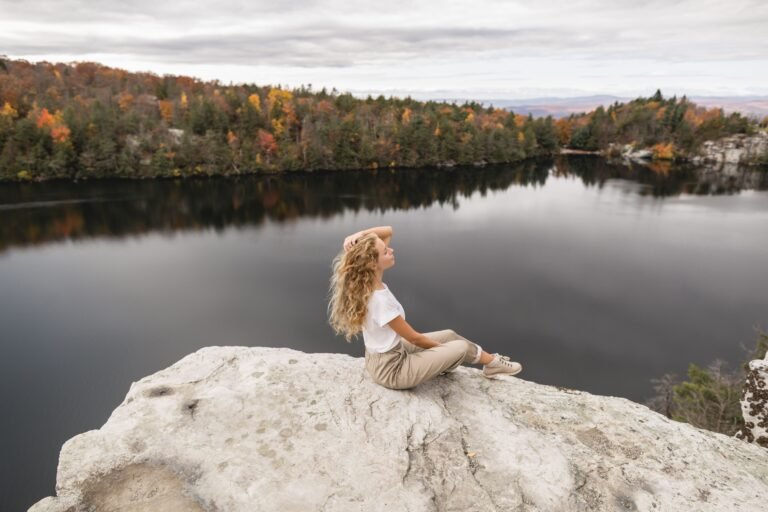
The scenery earns it. Depending on your destination, autumn brings colours and atmosphere that no other season produces. Golden light. Falling leaves. Cooler temperatures that make walking genuinely pleasant rather than exhausting.
Solo travel feels easier. There is something about autumn that suits the solo traveller specifically. It is a quieter, more reflective season and the destinations that come alive in autumn tend to reward the kind of slow, unhurried exploration that solo travel does best.
7 Affordable Solo Fall Getaway Ideas
1. A Scenic Small-Town Weekend
Small towns and villages often offer some of the most beautiful autumn scenery at a fraction of the cost of major city breaks. A market town, a coastal village, or a historic small town gives you something to explore without the price tag of a capital city.
What it costs: Budget accommodation in a guesthouse or small hotel from approximately $60 to $100 per night. A weekend including transport, accommodation, meals, and activities is achievable for $200 to $350 depending on location and distance from home.
Transport: Train or bus travel to a nearby small town keeps costs low and the journey itself often becomes part of the experience.
Safety: Smaller towns are generally lower risk for solo female travellers. Book accommodation in the town centre rather than isolated areas. Arrive during daylight.
2. A National Park or Nature Escape
Fall is peak season for national park scenery in many regions. Foliage, wildlife, and trails without the summer crowds make this one of the most rewarding solo autumn travel experiences available.
What it costs: Entry fees for national parks vary. Accommodation ranges from campsite fees of $20 to $30 per night to budget lodges or nearby guesthouses from $70 to $120. A three-night nature escape can be achieved for $250 to $450 including transport and food.
Transport: Some national parks require a car. Others have shuttle systems or are accessible by public transport. Research this before booking.
Safety: Tell someone your specific hiking plans and expected return time. Download offline maps before you arrive. Stick to marked trails. Carry water, a power bank, and basic first aid supplies.
3. A Budget-Friendly City Break
A city break in a destination with lower living costs than your home city is one of the most accessible solo fall trips. European cities, smaller American cities, or regional capitals outside the main tourist hubs all offer rich cultural experiences at manageable prices.
What it costs: Budget accommodation in a well-reviewed hostel private room or budget hotel from $50 to $90 per night. A three-day city break including flights or transport, accommodation, food, and activities is achievable for $350 to $600 depending on distance.
Transport: Budget airlines, trains, and coach services all make city breaks affordable. Book four to six weeks in advance for the best prices.
Safety: Book accommodation in a central, well-reviewed area. Research neighbourhoods before arriving. Keep a digital and physical copy of your booking confirmations.
4. A Cosy Cabin or Countryside Stay
A cabin or rural self-catering stay gives you the specific quality of autumn that no city break can replicate. A wood-burning stove, forest walks, complete quiet, and the freedom to do exactly nothing if that is what you need.
What it costs: Self-catering cabins and cottages from $80 to $150 per night. A two to three night stay with groceries bought on arrival can be achieved for $300 to $500. Self-catering keeps food costs low because you are cooking rather than eating out.
Transport: Many rural stays require a car. Factor this into the cost or look specifically for countryside locations accessible by train or bus.
Safety: Share your exact location with someone at home. Ensure you have mobile signal or know the nearest town. Check the property has working contact details before you arrive alone.
5. A Local Staycation
The underrated option and often the most immediately achievable. Booking a hotel or guesthouse in your own city or a town within two hours of home gives you the mental break of travel without the cost of flights or long-distance transport.
What it costs: One to two nights in a hotel you would not normally choose for yourself. $80 to $150 per night. A local staycation can be achieved for $150 to $300 total.
The point of it: You are not going far. You are getting away from the ordinary. That distinction matters. A night in a hotel in your own city where you order room service and sleep without an alarm is still travel. It still counts.
6. A Scenic Train or Bus Journey
Some of the most beautiful autumn scenery is most accessible by rail. A train journey through changing foliage, a coastal rail route, or a scenic bus route through the countryside can be the entire trip rather than just the transport to it.
What it costs: A day or overnight train journey from $30 to $100 depending on route and booking advance. Combine with one night of accommodation at the destination for a complete $150 to $250 weekend.
The experience: There is something specifically good about solo train travel. You have nowhere to be except your seat. You can read, write, watch the world go past, and be entirely unreachable for a few hours.
7. A Wellness or Creative Retreat
Yoga retreats, writing retreats, art workshops, and wellness weekends exist at a wide range of price points. Autumn specifically is when many retreats run their most accessible programmes because the summer season has ended and they are filling spaces.
What it costs: Day retreats from $50 to $150. Weekend retreats including accommodation from $200 to $500 depending on the programme and location. Search for early booking discounts and shoulder-season rates.
Who this suits: Women who want more than sightseeing from their solo trip. Women who want to come back having learned something or created something or simply rested in a structured way.
How to Plan a Solo Fall Trip Without Overspending
Set a maximum number before you start looking. Not a rough idea. A specific number. This is my budget for this trip. Everything you research goes through that filter.
Compare transport and accommodation together. Sometimes spending slightly more on transport to a closer destination saves significantly on accommodation. Sometimes the reverse is true. Look at the total trip cost not the individual components.
Travel with flexible dates. A Tuesday to Thursday trip is almost always cheaper than a Friday to Sunday trip. Mid-week accommodation, mid-week flights, and mid-week train tickets all cost less than weekend equivalents.
Prepare food where possible. Grabbing groceries for breakfast and lunch and choosing one good dinner per day rather than eating out for every meal can halve the food budget on a weekend trip.
Keep emergency money separate. A small amount held separately from your spending money for genuine emergencies. Not for upgrading the hotel. For genuine unexpected costs.
How to Save for the Trip Before You Go
Set up a dedicated travel savings pot. A separate account or savings pocket named for the trip. A small automatic transfer on payday. Even $20 per week builds to over $200 in ten weeks.
Sell unused items before you go. Clothes, books, household items. A clear-out before a trip serves two purposes. It funds the trip and it creates the mental space that travel requires.
Reduce one nonessential expense for the saving period. Not forever. For the six to eight weeks before the trip. That subscription, that habit, that recurring cost that is not actually necessary. Redirect it to the travel pot.
Plan a short trip rather than a long one on credit. A realistic two-night trip you can actually afford is worth significantly more than an impressive week away that arrives home with you as debt.
Micro-Income Ideas to Help Fund Your Getaway
These are legitimate ways to build additional income toward a travel goal. They all require time and effort and earnings are not guaranteed. They are starting points rather than guaranteed results.
Freelance writing: Blog posts, website copy, newsletters. If you write clearly and can research topics, freelance writing is one of the most accessible income starting points available. Platforms like Upwork and direct outreach to small businesses are both viable routes.
Virtual assistance: Administrative support for small business owners remotely. Scheduling, inbox management, social media. Services that use skills most people already have.
Selling digital printables: Budget planners, packing lists, habit trackers. Create once on Canva. Sell repeatedly on Etsy or Gumroad. A solo travel packing checklist is something your own audience would buy.
Tutoring or skill-based services: A skill you have that others need. A language, a subject, a professional expertise. Online tutoring platforms or direct local arrangements both work.
Affiliate income through content: If you already have a blog or a Pinterest presence, affiliate links within genuinely useful content can produce income that compounds over time. This takes months to build but the income continues after the content is published.
None of these produce instant results. All of them are worth starting.
A Sample Budget for a Weekend Getaway
Based on a two-night domestic trip from a major city to a smaller destination.
| Item | Budget Option |
|---|---|
| Transport return | $40–$80 |
| Accommodation (two nights) | $120–$180 |
| Food and drink | $60–$80 |
| Activities and entry fees | $20–$40 |
| Emergency reserve | $50 |
| Total estimated budget | $290–$430 |
Solo Travel Safety Tips for Women
Research the destination and neighbourhood before booking. Not just the hotel but the area around it. Recent reviews from solo female travellers specifically are more useful than general star ratings.
Share your itinerary with someone you trust. Your exact accommodation details. Your travel times. A rough plan of each day. Someone at home should know where you are and when to expect to hear from you.
Book reputable accommodation. Strong recent reviews. A central location. A 24-hour reception where possible. The accommodation decision is the most important safety decision of the trip.
Plan to arrive during daylight. Particularly at a new destination. Navigating somewhere unfamiliar is significantly easier and safer in daylight than arriving after dark.
Keep backup payment methods and emergency contacts accessible. A second card in a separate location from your primary wallet. Your home country embassy or consulate number saved to your phone. Emergency contacts accessible offline.
Trust your instincts. If something does not feel right you do not need a specific reason to leave the situation. Your comfort and safety are sufficient reasons.
FAQ
Where can women travel alone on a budget?
Small domestic towns and cities within train or bus distance, national parks, budget city breaks in lower-cost destinations, and local staycations are all accessible solo travel options for women on a limited budget. The most affordable solo trips are almost always closer to home than you expect.
How much should I save for a solo weekend trip?
A realistic budget for a two-night domestic weekend trip including transport, accommodation, food, activities, and an emergency reserve is approximately $300 to $450 depending on destination and accommodation standard. Starting a dedicated savings pot of $40 to $50 per week makes this achievable in six to eight weeks.
Is autumn a good time for solo travel?
Yes. Shoulder season travel in autumn offers lower accommodation prices, fewer crowds at popular destinations, and genuinely beautiful seasonal scenery in many regions. It is one of the most underused seasons for solo travel and consistently one of the most rewarding.
How can I fund travel without taking on debt?
Through a dedicated savings plan that treats the travel budget as a non-negotiable monthly expense rather than whatever is left over. Through selling unused items before the trip. Through one or more micro-income streams built specifically around the travel goal. And by planning a trip sized to your actual savings rather than your ideal scenario.
What should I pack for a fall getaway?
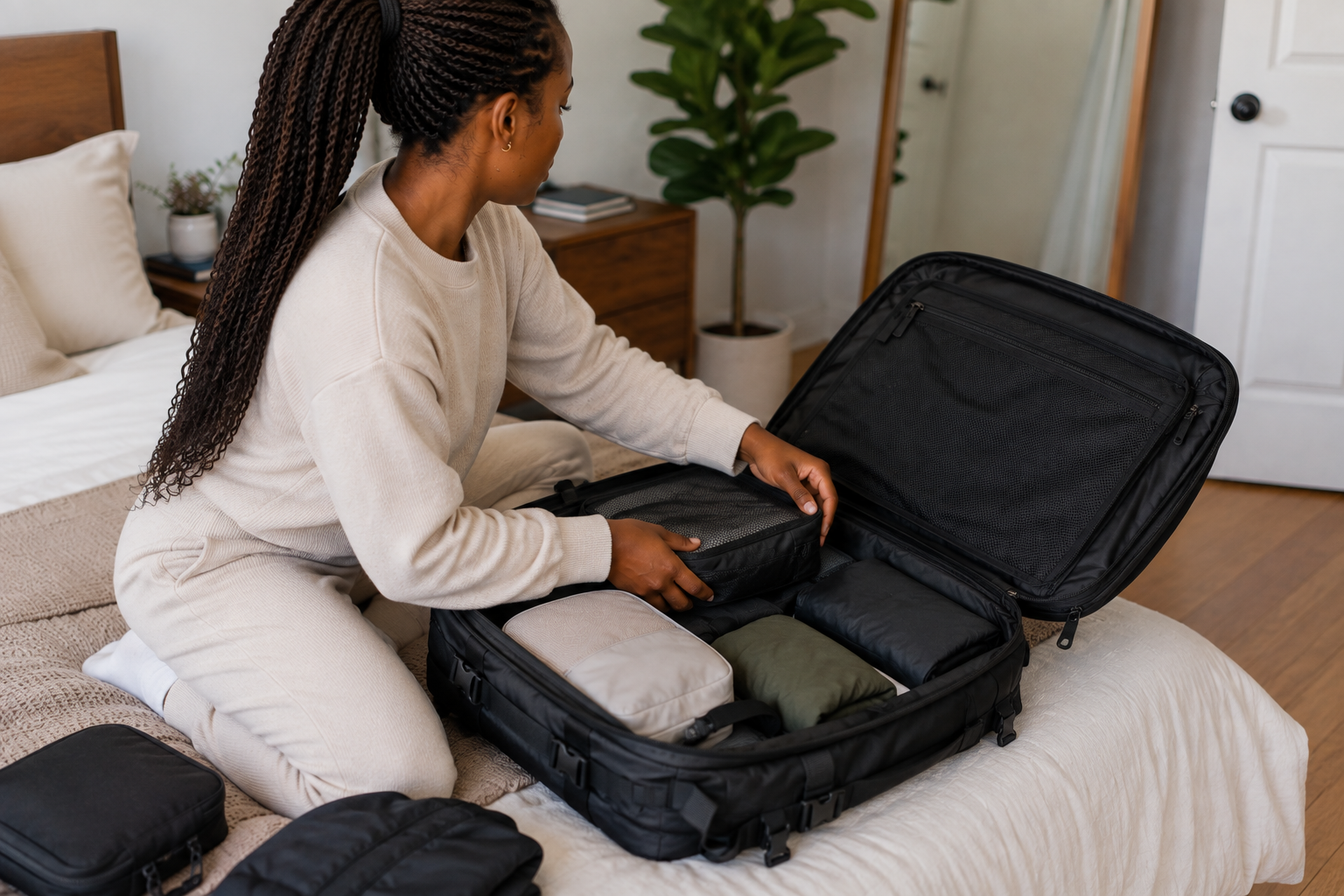
Layers for variable temperatures. Comfortable walking shoes. A lightweight waterproof layer. A power bank for your phone. A physical copy of your booking confirmations. Your medication if relevant. A small first aid kit for nature or cabin trips. And significantly less than you think you need.