Bali for Solo Female Travelers: The Ultimate Travel Guide
This post contains affiliate links. If you click through and make a purchase or booking, I may earn a small commission at no extra cost to you. The price you pay is exactly the same either way. I only recommend products and experiences I would use myself.
Bali has a specific kind of pull that is difficult to explain to someone who has not felt it.
What's In This Post
ToggleIt is not just the photographs, though the photographs are extraordinary. It is not just the price point, though the affordability of genuine luxury here remains one of the most compelling arguments for visiting. It is something underneath all of that. A specific quality of the place that makes women arrive for two weeks and start researching how to stay for two months. That makes solo travelers who came for the yoga and the rice terraces leave having also found something they were not specifically looking for.
Bali is on the short list of destinations I describe as transformative without embarrassment, because the transformation is real and documented not by one woman but by thousands who have made this journey alone and come home different. More themselves, usually. Less concerned with the opinion of anyone who was not there.
Women travel to Bali from everywhere. From South Africa and the United Kingdom and Australia and the United States and Brazil. They come at twenty-two for their first solo adventure and at forty-five after a divorce or a resignation or a season of life that required something radical. They come alone and find each other at yoga studios in Ubud and beach clubs in Canggu and sunrise treks on Mount Batur and the connection that develops between women who are all doing the same brave thing in the same beautiful place is one of the specific, non-photographable gifts of this destination.
And yet Bali is more than the Instagram cafés and the floating breakfasts and the rice terrace selfies. More than the wellness retreats and the digital nomad coffee shops and the beach clubs. There are temples here that have been active places of worship for over a thousand years. A religious and cultural life that exists independently of and alongside the tourism infrastructure. An island that is worth understanding beyond its beautiful surface.
This guide covers everything you need for a solo female trip to Bali. The safety, the areas, the budget, the logistics, and thirty things to do that range from the unmissable to the deeply unexpected.
Why Visit Bali?
Locals who genuinely welcome you. The Balinese cultural tradition of hospitality is not a tourism industry construct. It is woven into the Balinese Hindu worldview in which being welcoming to visitors is a genuine cultural value. The warmth you receive in Bali is real and consistent across the full range of interactions from guesthouses to temples to warung restaurants.
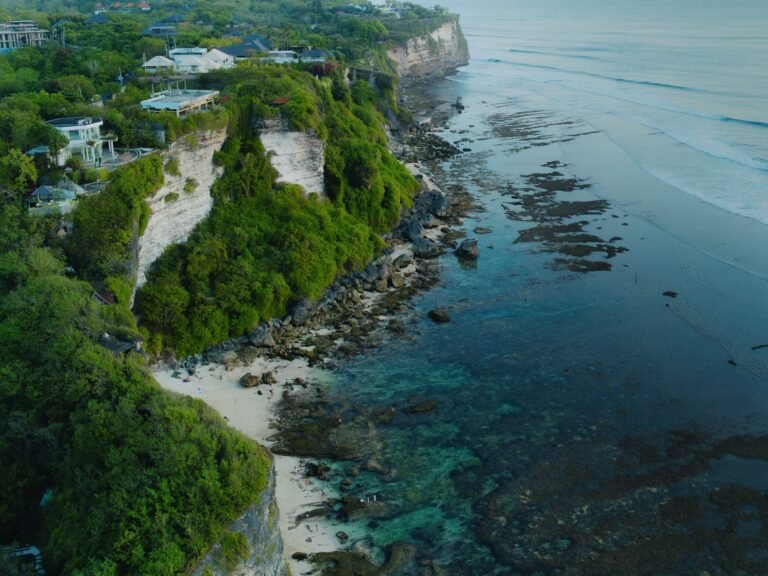
Beautiful scenery in more forms than expected. The volcanic mountains of the interior. The terraced rice fields of Tegallalang and Jatiluwih. The dramatic limestone cliffs of Uluwatu. The dense jungle of the Ubud surroundings. The black sand beaches of the north and the white sand beaches of the south. Bali is visually extraordinary in multiple registers simultaneously and each area of the island reveals a different version of the landscape.
Affordable luxury. The combination of what your money buys in Bali compared to equivalent experiences in Europe or Australia or the United States produces a consistent response in visitors. Spa treatments that would cost three hundred dollars at home cost thirty dollars. Private villas with their own pool that would be five thousand dollars a night in the Maldives are available for two hundred dollars in Ubud. Fine dining experiences that would be seventy dollars a head in London are twenty dollars here. The affordability is genuine and it allows a level of experience that would be inaccessible at equivalent spending in most other destinations.
Digital nomad and creative community. Canggu specifically has become one of the most established remote work destinations in the world. The combination of reliable wifi infrastructure, a proliferation of beautiful co-working spaces and cafés designed for extended work sessions, a community of like-minded professionals from around the world, and the general quality of daily life in a tropical environment has produced a permanent population of location-independent workers who have made this area their base. For solo female travelers who work remotely this community is the fastest path to social connection and local knowledge.
Wellness infrastructure at every level. From a one-dollar stretching class at a community yoga space to a week-long residential retreat at a luxury wellness centre, Bali has the most complete and most accessible wellness offering of any destination I have encountered. The concept of health as a holistic practice incorporating physical movement, spiritual reflection, food, rest, and community is embedded in Balinese culture rather than being a commercial construct imposed on it.
Great cafés. This belongs on a serious list because the café culture in Bali, particularly in Ubud and Canggu, is genuinely extraordinary. Thoughtfully designed spaces in jungle or rice field settings, specialty coffee roasted on the island, menus that reflect both local and international influences at high quality. The café as a place of beauty and intention is an art form in Bali.
Beaches for every preference. The surf beaches of Uluwatu and Canggu. The calm, accessible swimming beaches of Seminyak and Kuta. The dramatic black sand beaches of the north. The remote beaches of Nusa Penida. The beach landscape of Bali is as varied as every other aspect of the island’s scenery.
Temples that are genuinely extraordinary. Bali has over 20,000 temples. Not tourist attractions with temple aesthetics. Active places of worship where ceremonies occur daily and where the Balinese Hindu religious calendar structures daily life. Pura Tanah Lot sitting in the ocean. Pura Uluwatu on the cliff edge at sunset. Tirta Empul where Balinese worshippers come to purify themselves in sacred spring water. These are among the most extraordinary human-made environments in Southeast Asia.
Easy island hopping. Bali serves as a hub for exploration of the surrounding islands. Nusa Penida and Nusa Lembongan are accessible by fast boat in under an hour. The Gili Islands off Lombok are accessible by a two-hour fast boat. The island-hopping potential from Bali as a base is genuinely one of the most complete in Southeast Asia.
Read related post: Mauritius for Solo Female Travelers: The Ultimate Travel Guide
Is Bali Safe for Solo Female Travelers?
Bali is widely considered one of the most solo-female-travel-friendly destinations in Asia and the reputation is largely deserved with specific caveats worth knowing before you arrive.
Walking alone in Ubud, Canggu, Seminyak, and the main tourist areas is comfortable and common during daylight hours. Solo women walking in these areas are unremarkable. The main safety consideration is road navigation as pavement is inconsistent and walking alongside traffic requires awareness.
Scooter safety is the most significant safety consideration for solo female travelers in Bali. Scooters are the dominant local transport and many visitors rent them. The combination of unfamiliar roads, aggressive traffic, often poorly maintained rental scooters, and the frequency of tourist accidents makes scooter riding a genuine risk that should be assessed seriously against your own comfort and experience with two-wheeled vehicles. Travel insurance coverage for scooter accidents is worth confirming before you ride.
ATM scams are present and documented in Bali. Use ATMs attached to reputable banks rather than standalone street ATMs. Cover your PIN when entering it. Check for card skimming devices on the card slot before inserting your card. The most common ATM area for tourists is around the main streets of Ubud and Kuta where standalone ATMs with higher fraud rates operate.
Monkey Forest safety in Ubud requires specific preparation. The monkeys in the Sacred Monkey Forest Sanctuary are genuinely wild animals that will approach visitors and will take food, bags, glasses, and phones if given the opportunity. Remove dangly jewellery, secure your bag, remove your sunglasses before entering, and follow the specific instructions of the forest guides.
Drinking water in Bali is not safe from the tap. Drink only bottled or filtered water. Most accommodation provides drinking water refills. Carry a filtered water bottle to reduce plastic waste.
Taxi and transport apps Grab and Gojek operate reliably in Bali and are the recommended transport for solo women rather than negotiating with independent drivers. The app provides fare transparency, driver identity verification, and journey tracking. Save both apps before you arrive.
Nightlife in Seminyak and Canggu is active and generally safe with standard nightlife precautions. Watch your drinks. Keep your phone secure. Share your location with someone. Use Grab or Gojek for the return journey rather than accepting rides from individuals who approach you outside venues.
Emergency numbers to save before arrival. Police: 110. Ambulance: 118 or 119. International SOS Bali Clinic: +62 361 710505. BIMC Hospital Kuta: +62 361 761263.
Dress code for temple visits is non-negotiable. A sarong and a sash covering the lower body are required for entry to all Balinese temples. Most temples provide rental sarongs at the entrance for a small fee. Cover your shoulders as well with a shawl or light jacket. Respecting this requirement is both culturally essential and practically necessary as you will not be permitted entry without it.
Respecting Balinese culture extends beyond the dress code. Do not touch or step over temple offerings placed on the ground. Do not enter areas of temples marked for worshippers only. Do not photograph ceremonies without permission. Be aware that ceremonies and religious processions may temporarily close roads and public spaces, which is not an inconvenience but an encounter with living culture deserving of patience and respect.
Where to Stay in Bali Indonesia
Ubud
Perfect for: First-time solo visitors, wellness and yoga seekers, nature lovers, cultural immersion, those who want a genuine community of like-minded solo travelers.
Ubud is the heart of Bali in the cultural and spiritual sense and the area I most consistently recommend for first-time solo female visitors. The established community of solo female travelers here makes meeting people genuinely effortless, through shared yoga classes, cooking classes, cooking tours, and the social atmosphere of the café culture. The rice terrace walks, the waterfall hikes, and the proximity to Bali’s most significant temples add layers of experience beyond the wellness infrastructure.
Budget: Pondok Pundi Village Inn and Restaurant, Uma Sari Cottage.
Mid-range: Alaya Resort Ubud, Bisma Eight.
Luxury: Komaneka at Bisma, Four Seasons Resort Bali at Sayan.
Canggu
Perfect for: Digital nomads, remote workers, solo travelers who want a social scene, surfers, café culture enthusiasts, longer stays.
Canggu has become the most social area in Bali for solo travelers who want to connect with an international community quickly and easily. The co-working café infrastructure means work and social life merge naturally. The beach and surf scene adds an activity layer. The restaurant and nightlife quality is excellent.
Budget: Serenity Eco Guesthouse, Canggu Beach Inn.
Mid-range: The Slow, Desa Potato Head.
Luxury: Katamama, Finns Beach Club Hotel.
Seminyak
Perfect for: Luxury shopping, beach clubs, upmarket dining, those who want Bali’s most polished resort experience.
Seminyak is the most sophisticated and most commercial of Bali’s main areas. The beach clubs are the best on the island. The restaurant quality is consistently high. The boutique shopping is genuinely excellent. It is less community-oriented for solo travelers than Ubud or Canggu but provides the highest overall luxury experience at the beach.
Budget: The Layar manages a few more accessible rooms.
Mid-range: The Layar Private Villas, Katamama.
Luxury: Potato Head Suites, The Layar.
Uluwatu
Perfect for: Dramatic cliff scenery, luxury resorts, sunset experiences, surf, Kecak Fire Dance, those seeking seclusion.
Uluwatu on the Bukit Peninsula is where Bali is at its most visually dramatic. The limestone cliffs, the surf, the clifftop temple, and the sunset Kecak Fire Dance produce experiences that are entirely different from any other area of the island. The resort infrastructure here is some of the finest in Bali.
Budget: Bukit Vista Cliff House.
Mid-range: Bali Cliffs Resort.
Luxury: Alila Villas Uluwatu, Karma Kandara.
Nusa Penida
Should you stay overnight? Yes if you want to experience Kelingking Beach at sunrise before the day trippers arrive and to access the more remote parts of the island that a day trip cannot reach.
Pros: The beaches, particularly Kelingking, Diamond, and Crystal Bay, are among the most extraordinary in Southeast Asia. The island is less developed and more raw than Bali which produces a different quality of experience.
Cons: Roads are rough and navigation by scooter requires genuine experience. Accommodation is more limited and less polished than mainland Bali. The boat crossing can be rough during certain sea conditions.
The recommendation: Two nights is ideal. Arrive in the afternoon, explore for a full day, and leave on the morning of day three. This captures the sunrise at Kelingking that no day trip can access.
Read related post: Best Hotels in Bali for Solo Female Travelers
How Much Does Bali Cost?
| Traveler Type | Daily Budget (USD) |
|---|---|
| Budget | $35–$60 |
| Mid-range | $90–$180 |
| Luxury | $300 and above |
Budget travel in Bali is genuinely accessible. A private room at a guesthouse costs $15 to $35 per night. Local warung restaurant meals cost $2 to $6 each. Grab rides between areas cost $2 to $8. Free activities include temple visits, rice terrace walks, beach days, and exploring local villages. The daily total for a genuinely enjoyable budget trip is achievable at $35 to $60.
Mid-range travel opens up boutique hotels and private villas at $60 to $150 per night. Restaurant meals at $10 to $30 per person. Day tours and organised activities from $25 to $80. Spa treatments from $15 to $60. Ubud and Canggu offer exceptional mid-range value with experiences that feel genuinely luxurious at this budget.
Luxury travel in Bali is one of the best value luxury propositions anywhere in the world. A private pool villa at a property like Komaneka at Bisma or Alila Villas Uluwatu costs $300 to $600 per night, which is a fraction of equivalent luxury in Europe or the Maldives. Fine dining, private drivers, spa treatments, and curated experiences add to the daily cost but remain significantly more affordable than comparable luxury in most other destinations.
Read related post: Seychelles vs Zanzibar: Which Island Escape Is Worth Your Money?
Getting Around Bali
Grab is the most reliable and most recommended transport app for solo female travelers in Bali. Grab car is available throughout most of southern Bali and Ubud. The app provides transparent pricing before you book, driver details including photo and licence plate, and journey tracking that you can share with someone for safety. Save the app before arriving and confirm it works in your specific area.
Gojek is Grab’s main competitor and operates similarly with the addition of ojek motorcycle taxi options alongside car transport. Both apps are reliable and the competition between them generally keeps pricing fair. Having both apps installed gives you options when one has lower availability.
Scooter rental is the most flexible and most locally authentic way to explore Bali and the mode of transport that requires the most careful personal risk assessment. Rental costs are very low at $5 to $10 per day. The freedom to access narrow roads, villages, and off-the-beaten-track viewpoints is genuine. The risk, including unfamiliar traffic conditions, poorly maintained rental scooters, and Bali’s accident statistics for tourists, is also genuine. Helmet use is non-negotiable if you ride.
Private drivers are one of the best value-for-money transportation options in Bali for solo travelers who want to cover multiple sites in a day. A full day with a private driver typically costs $40 to $70 and includes a knowledgeable local guide who can recommend additions to your itinerary, navigate the parking complexity of busy sites, and provide context for cultural locations. Book through your accommodation or through a trusted referral.
Airport transfers from Ngurah Rai International Airport should be arranged in advance through your accommodation or through a reputable operator. Agree on the price before departure from the airport. Grab is not permitted to operate pickups inside the airport itself but can be used for the return journey from your accommodation.
Best Things to Do in Bali
1. Tegallalang Rice Terraces
The most photographed rice terraces in Bali sit just north of Ubud and the photographs do not lie about their beauty. The layered green terraces following the contours of the hillside create one of the most visually extraordinary agricultural landscapes in Southeast Asia. Arrive before 8am to beat the day-tripper crowds and the heat simultaneously.
2. Campuhan Ridge Walk
The two-kilometre ridge walk from central Ubud through jungle and along a hillside with rice field views is one of the most beautiful and most accessible walks in Bali. Free to walk, best in the early morning, and genuinely stunning throughout. The trailhead is walkable from most Ubud accommodation.
3. Sacred Monkey Forest Sanctuary
The forest in central Ubud houses approximately 700 Balinese long-tailed macaques in a setting of ancient Hindu temples and dense tropical vegetation. Read the safety guidance above before entering. The experience of walking among wild monkeys in a genuinely ancient forest environment is unlike anything available in most other destinations.
4. Tirta Empul Temple
The Balinese Hindu water temple at Tampaksiring is one of the most sacred sites on the island and one of the most extraordinary for visitors to witness. Balinese worshippers come here to purify themselves in the sacred spring water that flows through a series of spouts into pools below. Visitors can join the purification ritual with appropriate dress and respectful conduct.
5. Uluwatu Temple
The clifftop temple on the southwest tip of the Bukit Peninsula is one of six directional temples that protect Bali from evil spirits according to Balinese belief. The setting on the cliff edge above the Indian Ocean is extraordinary. Visit at sunset for the most dramatic visual experience and stay for the Kecak Fire Dance.
6. Kecak Fire Dance at Sunset
The nightly Kecak Fire Dance performance at Uluwatu Temple uses the sunset as its backdrop in a way that produces one of the most spectacular performance experiences in Southeast Asia. The chorus of male voices, the fire, the Ramayana narrative, and the Indian Ocean sunset behind the cliff combine into something that is genuinely unforgettable.
7. Mount Batur Sunrise Trek
The active volcano northeast of Ubud offers a guided pre-dawn trek to the caldera rim arriving at sunrise for views across the lake and the volcanic landscape as the sky turns colour. The hike takes approximately two hours and requires a guide, which most reputable operators provide. One of the most consistently cited highlights of a Bali trip.
8. Nusa Penida Day Trip or Overnight
The island south of Bali accessible by fast boat is home to Kelingking Beach, one of the most dramatic coastal landscapes in Indonesia, alongside Diamond Beach, Crystal Bay, and Angel’s Billabong. A day trip covers the highlights. An overnight stay captures the sunrise at Kelingking that day trippers cannot access.
9. Kelingking Beach
The T-Rex shaped cliff viewpoint at Kelingking produces one of the most striking coastal photographs available anywhere in Southeast Asia. The descent to the beach below is steep and requires genuine physical fitness. The view from the clifftop is extraordinary whether or not you descend.
10. Diamond Beach
The black staircase descent to Diamond Beach on Nusa Penida leads to a small cove of white sand and turquoise water surrounded by limestone cliffs that is among the most beautiful individual beach environments in the region.
11. Bali Beach Clubs
The beach clubs of Seminyak and Canggu are a specific Bali experience that has no direct equivalent elsewhere. Potato Head Beach Club, Ku De Ta, and Finns Beach Club combine swimming pools, beach access, internationally quality food and cocktails, and afternoon into evening music programmes into a full-day social experience.
12. Balinese Cooking Class
Cooking classes in Bali typically begin with a market visit to buy ingredients, continue through preparation of five to eight traditional Balinese dishes, and finish with eating everything you made. An excellent way to meet other travelers, learn genuine Balinese culinary techniques, and eat extraordinarily well. Available at multiple price points throughout Ubud.
13. Silver Jewellery Workshop in Celuk
The village of Celuk near Ubud is the traditional centre of Balinese silver work and offers workshops where visitors can create their own silver ring or pendant under the guidance of skilled local craftspeople. Taking home something you made yourself is a different travel souvenir from anything purchasable.
14. Coffee Plantation Visit
The kopi luwak coffee of Bali, most famously from the plantations near Ubud, is produced through a process involving Asian palm civets and is genuinely unique in flavour. Visit a plantation for a free tasting session of multiple Balinese coffees and teas. Research plantation ethics before choosing your operator.
15. Waterfalls Near Ubud
Tegenungan Waterfall is the most accessible and most visited. Sekumpul Waterfall in the north is the most spectacular and requires the most commitment to reach. Tibumana Waterfall is less visited and particularly beautiful. A waterfall day combining two or three of the Ubud-area falls produces one of the most visually rewarding days available in Bali.
16. Snorkelling at Amed or Menjangan Island
The northeast coast around Amed and the marine park of Menjangan Island offer the best snorkelling in Bali with healthy coral reefs and the famous USAT Liberty shipwreck at Tulamben. Day trips from Ubud or overnight stays in Amed make this accessible from the main tourist areas.
17. Yoga Retreat in Ubud
From a single class at a community studio to a seven-day residential retreat at a dedicated wellness centre, Bali’s yoga offering is the most developed in Southeast Asia. Yoga Barn in Ubud is the most established and most varied, offering multiple classes daily across different styles and levels.
18. Spa Day
A Balinese massage, a flower bath, a scrub, and a facial in a beautiful open-air spa setting is a specific and extraordinary experience. Spa treatments in Bali range from ten dollars for a one-hour massage at a local spa to several hundred dollars for a full day programme at a luxury resort spa. The quality across this range is consistently high.
19. Floating Breakfast
A breakfast served on a tray floating in a private villa pool has become one of the most recognised images of Bali’s hospitality industry. Many villa accommodations offer this as a room service option and the experience of eating in your private pool as the morning light comes through the garden is as enjoyable in reality as it appears in photographs.
20. Traditional Market Shopping
The Ubud Art Market adjacent to the main temple is the most accessible traditional market for visitors. Sarongs, carvings, paintings, jewellery, and textiles at prices that reward gentle negotiation. Early morning visits before the day-tripper rush provide the best atmosphere and the most genuine interaction with market sellers.
21. Surf Lesson in Canggu or Kuta
Bali’s consistent surf conditions and extensive instructor infrastructure make it one of the best places in the world to learn to surf. The beginner-friendly waves at Kuta and the slightly more advanced conditions at Canggu and Seminyak suit different starting points. A first lesson is accessible to almost anyone regardless of prior experience.
22. ATV Adventure in the Interior
Quad bike tours through the rice fields, jungle paths, and river beds of the Bali interior provide a physically active alternative to the walking and temple-focused activities of Ubud. Multiple operators run half-day tours from Ubud starting points.
23. Tanah Lot Temple at Sunset
The ocean temple at Tanah Lot sitting on a rock formation offshore is one of the most iconic images in Bali. The sunset framing the temple against the sky produces the photograph that has appeared on more Bali travel content than almost any other. Visit in the late afternoon to secure a viewing position before the sunset crowd arrives.
24. Bali Swing in the Rice Fields
The jungle swings suspended above rice field and river valley views have become a signature Bali experience. Multiple operators offer swings of varying heights and experiences. The photographs are extraordinary and the physical experience of swinging above the jungle canopy is genuinely exhilarating.
25. Sunset Dinner at a Clifftop Restaurant
The cliff restaurants of Uluwatu and the Bukit Peninsula offer sunset views over the Indian Ocean that produce some of the most memorable dining settings available anywhere. Single Fin and El Kabron are among the most established. Book in advance for the best positions.
26. Traditional Balinese Massage
The traditional Balinese massage technique combines acupressure, skin rolling, and firm stroking in a specific sequence that produces a physical release unlike standard Swedish massage. Available everywhere in Bali from local spas to luxury resort treatment rooms. A genuinely healing experience that reflects the Balinese understanding of physical and spiritual wellbeing as inseparable.
27. Café Hopping in Canggu and Ubud
The café culture of Bali is worth dedicating time to beyond finding a place to work with good wifi. Revolver Espresso in Seminyak. Milk and Madu in Canggu. Seniman Coffee in Ubud. Many cafes have been designed with as much care for the visual environment as for the coffee and the food, and the experience of spending a morning moving between the best of them is one of the most distinctly Balinese pleasures available.
28. Local Village Tour
Guided tours of functioning Balinese villages provide context for the daily religious life that the temple visits glimpse but do not explain. Watching the preparation of temple offerings, understanding the structure of a traditional compound family home, and observing the integration of the religious calendar into daily work and family life is one of the most genuinely educational experiences available in Bali.
29. Beach Picnic at a Remote Beach
The beaches of the Bukit Peninsula south of Seminyak include a number of smaller, less accessible coves that require a short hike or a boat ride to reach and are correspondingly less crowded than the main areas. A packed lunch from a local warung, a quiet remote beach, and an afternoon of swimming and reading with nobody else in sight is as Bali an experience as any beach club.
30. Traditional Legong Dance Show
The Legong dance is a formal Balinese dance form characterised by intricate finger movements, elaborate costumes, and a narrative drawn from Hindu mythology. Regular performances at Ubud Palace and multiple dedicated venues provide access to this art form in an appropriate setting.
Read related post: 25 Amazing Things to Do in Zanzibar (Solo Female Travel Guide)
The Perfect 10-Day Bali Itinerary
Day 1: Arrive and Rest
Land at Ngurah Rai International Airport and take your pre-arranged transfer to your Ubud accommodation. The drive from the airport to Ubud takes approximately one to one and a half hours depending on traffic. Check in, unpack, and resist the urge to immediately fill the rest of the day with activities. The first evening is for orientation. Walk the main street of Ubud, find a warung for dinner, and have a one-hour Balinese massage before sleeping. Start rested rather than already running.
Day 2: Ubud Introduction
Morning at the Campuhan Ridge Walk, leaving your accommodation at sunrise to experience it in the early light before the heat arrives. Return for breakfast at one of the Ubud cafés near the ridge trailhead. Afternoon at the Sacred Monkey Forest Sanctuary with the safety preparations already noted. Evening at Ubud Palace watching the traditional dance performance if one is scheduled.
Day 3: Temples and Terraces
Early start for Tegallalang Rice Terraces before 8am. Then south to Tirta Empul Temple for the mid-morning, when the light inside the temple compound is at its most beautiful. Lunch at a local warung in the surrounding village. Afternoon at a Balinese cooking class that includes a traditional market visit in the late afternoon.
Day 4: Waterfalls and Nature
Full day in the waterfalls and nature of the Ubud area. Tegenungan Waterfall in the morning. Tibumana Waterfall in the late morning. Lunch in the village between them. Afternoon at the Tegalalang area walking the secondary rice field paths that most day-trippers do not take. Evening spa treatment.
Day 5: Mount Batur Sunrise
This day requires an early wakeup, typically around 2am for the drive to the trailhead and the pre-dawn start of the hike. The sunrise from the caldera rim happens approximately two hours after you begin walking and the experience is worth the disrupted sleep. Return to Ubud by mid-morning. Spend the rest of the day recovering in a gentle way, floating breakfast if your accommodation offers it, light yoga, an afternoon nap.
Day 6: Nusa Penida Overnight
Take the fast boat from Sanur or Padang Bai to Nusa Penida in the morning. The crossing takes approximately 45 minutes to one hour. Check into your overnight accommodation and spend the afternoon at Crystal Bay and Angel’s Billabong. Sunset from the Kelingking viewpoint with the day-tripper crowds departing around you, leaving the view significantly quieter by 5pm.
Day 7: Kelingking Beach Sunrise and Diamond Beach
Wake before sunrise and reach the Kelingking viewpoint before 6am. The sunrise from the T-Rex cliff with nobody else there is one of the most extraordinary experiences available in Southeast Asia. Spend the morning at Diamond Beach after the sunrise. Take the afternoon boat back to the mainland and travel to Canggu.
Day 8: Canggu Day
Full immersion in Canggu life. Morning yoga at a studio near your accommodation. Breakfast at a Canggu café. Afternoon at the beach watching the surfers or taking a beginner surf lesson in the calmer section of the beach. Sunset at Finns Beach Club or watching from the beachfront. Dinner at one of Canggu’s better restaurants.
Day 9: Seminyak and Uluwatu
Morning in Seminyak for shopping at the boutiques along the main streets. Lunch at a Seminyak beach club. Afternoon drive to Uluwatu. Visit Uluwatu Temple before the sunset crowd arrives. Stay for the Kecak Fire Dance at sunset. Dinner at a clifftop restaurant with the ocean view.
Day 10: Tanah Lot and Departure
Morning visit to Tanah Lot Temple. Final lunch at a favourite warung or restaurant. Pack and take the airport transfer. Depart Bali with the specific and particular feeling that the island produces in almost everyone who spends genuine time here: a desire to come back already forming before the plane has reached cruising altitude.
FAQ
What is the best time to visit Bali?
April to June offers the best combination of dry weather, good accessibility, and lower crowds than peak season. July and August are the busiest and most expensive months but offer reliably excellent beach weather. September and October provide a good post-peak balance. November to March is wet season with the lowest prices and the most dramatic green landscape
Is Bali expensive?
Bali is one of the most affordable quality travel destinations in Southeast Asia. Accommodation, food, transport, spa treatments, and activities are all available at prices that deliver significantly more experience per dollar than equivalent spending in Europe, Australia, or North America. Even mid-range spending in Bali buys experiences that would be classified as luxury in most other destinations.
What is the best area in Bali for solo female travelers?
Ubud is the most consistently recommended area for first-time solo female visitors because of the established traveler community, the ease of meeting other solo women through shared activities, and the combination of cultural immersion and wellness infrastructure. Canggu is better for digital nomads and longer stays. Seminyak and Uluwatu suit those prioritising beach clubs and luxury.