Mauritius for Solo Female Travelers: The Ultimate Travel Guide
This post contains affiliate links. If you click through and make a purchase or booking, I may earn a small commission at no extra cost to you. The price you pay is exactly the same either way. I only recommend products and experiences I would use myself.
There are destinations you know you will visit one day and Mauritius has been on that list for longer than I can honestly remember.
What's In This Post
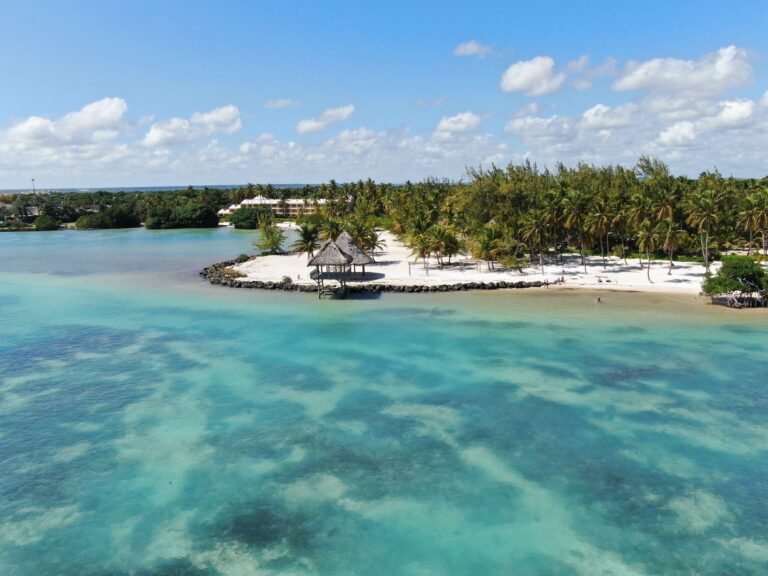
ToggleNot because of a single photograph or a specific recommendation. Because of a feeling. The feeling you get when you read about a place that seems to have gathered all the best versions of everything into one island. White sand beaches that photograph like they were designed by someone who takes the concept of beauty very seriously. A warm Indian Ocean that sits in a specific shade of turquoise that the Caribbean tries to replicate and never quite manages. A cultural complexity that comes from centuries of Indian, African, French, and Chinese influences woven together into food and architecture and daily life that does not exist anywhere else in exactly that combination.
Mauritius sits in the Indian Ocean approximately 900 kilometres east of Madagascar and it is the kind of destination that consistently surprises people who arrive expecting only a beach holiday. The beaches are extraordinary. And then there is also the Black River Gorges National Park with its endemic wildlife and dramatic hiking. The Seven Colored Earths of Chamarel. The rum and tea plantations of the interior. The chaotic, colourful energy of Port Louis. The underwater waterfall illusion that makes photographers look twice. The dolphins.
This island rewards curiosity in a way that purely resort-focused destinations do not.
For solo female travelers specifically, Mauritius is one of the most genuinely welcoming and genuinely accessible destinations in the Indian Ocean. The infrastructure is well developed. English is widely spoken alongside French and Creole. The locals have a warmth that is consistent and genuine rather than transactional. And the combination of luxury experiences available at every price point means the trip can be whatever you need it to be, whether that is a full week of healing and spa days, an adventure-focused exploration of the interior, a beach-hopping journey around the coastline, or all three in one trip.
This guide covers everything you need to know before you go.
Why Visit Mauritius?
The case for Mauritius over other Indian Ocean destinations comes down to what the island offers beyond the beach, which is genuinely more than most alternatives.
Stunning beaches for every preference. The coastline is varied in a way that rewards exploration. The north around Grand Baie and Trou aux Biches has calm, lagoon-protected water that is ideal for swimming. The east at Belle Mare has long, wide, relatively uncrowded white sand. The west at Flic en Flac has the sunsets. The south at Le Morne has the dramatic mountain backdrop and the kite surfing conditions. There is not one definitive beach on Mauritius. There is a coastline worth spending time discovering.
The warm Indian Ocean. The water temperature around Mauritius averages between 24 and 28 degrees Celsius year-round. This is the specific temperature at which swimming feels less like exercise and more like floating in something designed specifically for the purpose of making you feel good.
Extraordinary cultural diversity. Mauritius has one of the most genuinely diverse cultural landscapes of any island destination. The Hindu temple at Grand Bassin sits alongside the Creole architecture of Port Louis and the colonial-era sugarcane estates of the interior. Diwali, Eid, Chinese New Year, and Christmas are all celebrated publicly. The food reflects all of it simultaneously.
Locals who genuinely welcome visitors. Mauritius has a reputation for warmth that is consistently confirmed by travelers across every review platform and travel forum. The hospitality is not performative. It extends to genuine helpfulness with directions, recommendations, and the kind of interaction that makes a solo traveler feel hosted rather than tolerated.
Luxury accessible at different budgets. The luxury all-inclusive resorts are genuinely extraordinary and genuinely expensive. But Mauritius also has guesthouses, self-catering apartments, and mid-range hotels that deliver beautiful experiences at significantly lower price points. The luxury of the destination does not require a luxury budget to access its best qualities.
Hiking and waterfalls in the interior. The Black River Gorges National Park covers approximately 6,500 hectares of the island’s interior and contains hiking trails, endemic plants, rare birds, and viewpoints that produce some of the most dramatic landscapes in the Indian Ocean. The Chamarel Waterfall drops 100 metres into a gorge surrounded by lush tropical vegetation. Neither of these requires a resort fee to access.
A safe atmosphere for solo female travelers. Mauritius consistently ranks among the safer destinations in the African and Indian Ocean region. The crime rate is low by regional standards, the tourist infrastructure is well developed, and the general experience of moving around as a woman alone is comfortable in a way that many comparable destinations cannot claim.
Food that is genuinely exceptional. Dholl puri, biryani, rougaille, fresh grilled fish, Creole curries, and the specific combination of Indian and French culinary traditions that produces something neither could produce alone. Eating in Mauritius is one of the consistent highlights that travelers mention regardless of every other aspect of the experience.
Read related post: 15 Best Hotels in Mauritius for Solo Female Travelers.
Is Mauritius Safe for Solo Female Travelers?
Mauritius is generally considered one of the safer destinations in the Indian Ocean for women traveling alone and the honest assessment supports that reputation with the standard caveats that apply to solo travel anywhere.
Walking alone in tourist areas and during daylight hours is comfortable and common. Port Louis, Grand Baie, and the main resort areas are well-trafficked and well-lit in the areas where tourists typically spend time. More isolated areas, particularly at night, require the same awareness you would apply anywhere unfamiliar.
Public transport via bus is used regularly by both locals and budget travelers. The buses are generally safe and the network covers most major destinations. The experience requires some navigation confidence as routes and schedules are not always clearly displayed for visitors, but it is manageable and significantly cheaper than alternative transport.
Taxis are widely available and the recommended transport for solo women traveling at night or to less central locations. Agree on the price before getting in since most Mauritian taxis do not use meters. Your accommodation can typically arrange a trusted taxi service or recommend specific drivers.
Ride-sharing through apps is less developed in Mauritius than in some other destinations. Taxi apps exist but coverage is inconsistent. Confirm your transport options with your accommodation before arriving.
Beaches after dark require more caution than during the day. The main resort beaches are generally safe in the early evening especially in busy tourist areas. More isolated beaches after dark are not recommended for solo women.
Valuables should be managed with standard travel awareness. Do not take items to the beach that you cannot afford to lose. Use your accommodation safe for passport and excess cash. A crossbody anti-theft bag for daily use is the practical solution for managing valuables while remaining comfortable.
Emergency numbers to save before you arrive. Police: 999. Ambulance: 114. Fire: 115.
Local customs to be aware of. Mauritius is a religiously diverse and generally conservative society outside of resort areas. Modest clothing when visiting temples, mosques, and markets is both expected and respectful. Swimwear is appropriate at beaches and resort pools but not in town centres or places of worship.
Solo dining in Mauritius is comfortable. The restaurant culture extends a genuine welcome to solo diners and the food quality justifies sitting alone for an extended meal. Counter seating and smaller local restaurants are often the most natural environments for solo dining.
General safety tips. Trust your instincts. Use accommodation-recommended transport at night. Keep someone at home informed of your whereabouts and check in regularly. Carry your accommodation address in the local script for taxi communication. Do not display expensive jewellery or equipment in busy markets or public areas.
Best Time to Visit Mauritius
| Season | Weather | Best For |
|---|---|---|
| May to October | Dry, cooler, 18–24°C | Hiking, sightseeing, beach swimming, whale watching |
| November to April | Hot, humid, 28–35°C | Snorkelling, diving, swimming, water sports |
| January to March | Cyclone season, unpredictable weather | Lower prices, quieter crowds, flexible travel plans |
May to October is the dry season and widely considered the best overall time to visit Mauritius. The temperatures are cooler and more comfortable for outdoor activity. The skies are consistently clear. Hiking in Black River Gorges is most enjoyable during this period. The southeast trade winds make kite surfing conditions on the west coast particularly strong.
November to April brings the hot, humid summer season with the warmest water temperatures and the most consistent conditions for underwater activities. Snorkelling at Blue Bay Marine Park and the other protected reef areas is exceptional during this period.
January to March is cyclone season. Cyclones are not guaranteed but are possible and the weather is more unpredictable than at other times of year. The trade-off is noticeably lower accommodation prices and significantly fewer tourists which produces a different and in some ways more genuine experience of the island.
Whale watching is best between June and October when humpback whales migrate past the west coast of Mauritius. Responsible operator tours from the Tamarin Bay area offer one of the most remarkable wildlife experiences available in the Indian Ocean during this season.
Green sea turtles can be observed around the coastal areas and marine parks throughout the year, with the protected areas around Blue Bay offering the most reliable sightings.
How Much Does A trip to Mauritius Cost?
| Traveler Type | Daily Budget (USD) |
|---|---|
| Budget | $50–$80 |
| Mid-range | $120–$220 |
| Luxury | $350 and above |
Budget travel in Mauritius is more achievable than the destination’s luxury reputation suggests. Self-catering guesthouses and apartments cost between $30 and $60 per night. Local restaurants and street food stalls serve exceptionally good food for $5 to $15 per meal. Public buses connect most major destinations for under $1 per journey. Free and low-cost activities including beach days, hiking in national parks, and exploring local markets mean a genuine Mauritius experience is accessible at this budget level.
Mid-range travel opens up boutique hotels and smaller resorts in the $80 to $150 per night range. Restaurant meals at good quality local and international dining from $15 to $40. Day tours and organised activities from $50 to $100. A rental car at this budget level provides the flexibility to explore the full island independently.
Luxury travel in Mauritius means the extraordinary all-inclusive resort experience for which the island is genuinely famous. Properties like the Four Seasons, Constance Belle Mare Plage, and the Heritage properties start at $350 per night and increase significantly from there. The experience these properties deliver, private beach access, exceptional dining, spa facilities, and service quality that is among the finest in the world, justifies the investment for a milestone trip.
Accommodation represents the largest variable in the daily budget. A guesthouse room costs from $30. A boutique hotel from $80. A luxury resort from $350.
Food is one of the areas where Mauritius genuinely rewards the traveler who moves between local restaurants and resort dining. Local restaurants and food stalls deliver extraordinary flavour at very accessible prices. The dholl puri from a roadside vendor costs under $2 and is genuinely one of the best things you will eat on the island.
Transport costs depend entirely on mode. Public buses are minimal cost. Taxi rides between destinations range from $5 to $30 depending on distance. A rental car costs between $40 and $80 per day and provides the most efficient way to explore the island’s interior and multiple beach areas without depending on tour schedules.
Activities range from free beach days and hiking to $100 plus for catamaran cruises and organised diving excursions. Most of the island’s most memorable experiences fall in the $30 to $80 range for half-day or full-day activities.
Read related post: Seychelles vs Zanzibar: Which Island Escape Is Worth Your Money?
How to Get Around Mauritius
explore the island properly. Mauritius drives on the left, roads are in reasonable condition throughout most of the island, and the independence of a rental car allows you to reach the interior attractions, the multiple beach areas, and the cultural sites on your own schedule rather than a tour group’s. Book in advance, especially during peak season, as the best rental companies sell out.
Public buses are the budget transport backbone of the island and cover most major routes. The network connects Port Louis to the major towns and tourist areas at very low cost. The buses are generally safe and used by locals daily. The main limitation for visitors is that routes and timetables are not always clearly presented online and navigation requires some flexibility and patience. For budget travelers who have the time the bus is an excellent way to experience the island authentically alongside local residents.
Taxis are widely available at hotels, at major attractions, and in town centres. They are the recommended option for solo women traveling at night, for reaching locations that the bus does not serve conveniently, and for airport transfers. Always agree on the price before departure as meters are not universally used. Your accommodation can arrange trusted drivers.
Private tours offer the convenience of guided transport to multiple attractions in a single day. For visitors on shorter trips or those who prefer a guided experience the full-day tour options covering the west, the south, or the north of the island provide an efficient way to see the major highlights without navigation complexity.
Airport transfers from Sir Seewoosagur Ramgoolam International Airport to most resort areas take between 45 minutes and 90 minutes depending on the destination. Book a transfer in advance through your accommodation or through a reputable operator rather than accepting offers from individuals in the arrivals hall.
Ride-sharing apps including Uber operate in Mauritius with limited but growing coverage. Confirm availability for your specific location with your accommodation before relying on app-based transport.
25 Best Things to Do in Mauritius
1. Climb Le Morne Brabant
The UNESCO World Heritage mountain on the southwest tip of Mauritius is one of the most visually dramatic landscapes on the island. The guided hike to the summit takes approximately two to three hours and rewards with views across the lagoon and the Indian Ocean that justify every step. The mountain has deep cultural significance in Mauritian history as a refuge for escaped enslaved people and the heritage context adds meaning to the experience beyond the physical achievement.
2. Visit the Seven Colored Earths of Chamarel
The geological phenomenon at Chamarel where volcanic soils in seven distinct colours sit side by side without mixing is one of the most genuinely extraordinary natural sights in the Indian Ocean. The dune formation photographs extraordinarily well at any time of day and the surrounding area includes the Chamarel Waterfall and a rum distillery that warrant combining into a half-day excursion.
3. Chamarel Waterfall
The tallest waterfall in Mauritius drops 100 metres into a gorge of lush tropical vegetation that creates one of the most beautiful natural environments on the island. The viewing platform provides the best perspective and the surrounding jungle walk is worth taking before or after.
4. Spend a Day on Île aux Cerfs
The small island off the east coast accessed by a short boat ride from the mainland is one of the most popular day trip destinations in Mauritius for good reason. The beach is exceptional, the water is clear and calm, and the range of water sports available makes it a full-day destination. Book in advance during peak season.
5. Explore Black River Gorges National Park
The 6,500-hectare national park in the southwest interior is the island’s most significant natural area and one of the most rewarding hiking destinations in the Indian Ocean. The endemic Mauritius kestrel, the pink pigeon, and the echo parakeet are all found within the park’s boundaries. Multiple trail options cover different difficulty levels and durations.
6. Visit Grand Baie
The most developed tourist hub on the north coast combines a good swimming beach with an extensive selection of restaurants, shops, boat trip departures, and evening activity. For solo travelers it is the most social and most independently navigable area on the island and the natural base for exploring the north coast.
7. Pamplemousses Botanical Garden
The oldest botanical garden in the Southern Hemisphere contains over 80 species of palm trees, giant Victoria Amazonica water lilies that are among the largest in the world, and historical trees that date back centuries. The garden is beautiful, peaceful, and genuinely unlike any botanical garden you will have visited elsewhere.
8. Casela Nature Parks
The wildlife park in the west covers 25 hectares and houses a range of African and exotic animals alongside zip-lining, quad biking, and walking safari options. Walking with lions is one of the signature experiences and while this requires careful ethical consideration of the specific operator’s practices the park overall is a well-managed attraction that delivers genuine wildlife proximity.
9. Catamaran Cruise
A full-day catamaran cruise from Grand Baie or other north coast departure points combines snorkelling stops at coral reefs, a barbecue lunch on board, and the specific pleasure of spending a day on the turquoise water between islands. One of the most enjoyable single-day experiences available in Mauritius.
10. Swim with Dolphins (Ethical Tours Only)
Spinner dolphins are regularly found in the waters off the west coast particularly around Tamarin Bay. Ethical tour operators observe the dolphins from the boat and allow passengers to enter the water in the dolphins’ vicinity rather than chasing or herding the animals. Research operators specifically before booking and choose those with explicit ethical guidelines about marine mammal interaction.
11. Snorkelling at Blue Bay Marine Park
The protected marine park on the southeast coast contains some of the most intact and diverse coral reef in the Indian Ocean. The UNESCO-recognised site has over 50 species of coral and more than 70 species of fish. Glass-bottom kayaking and snorkelling are both available and the site can be visited independently by those comfortable snorkelling from the shore.
12. Sunset Beach Walk at Flic en Flac
The long west coast beach at Flic en Flac faces directly into the setting sun and provides one of the most consistently beautiful sunset experiences available in Mauritius. The beachside restaurants and bars along the strip make it easy to transition from a walk to an evening meal as the light fades.
13. Explore Local Markets
The Central Market in Port Louis is the most comprehensive and most atmospherically Mauritian market experience available. Spices, local fruits, Creole street food, handmade crafts, and the specific sensory experience of a functioning local market rather than a tourist reproduction. Arrive in the morning for the most vibrant experience.
14. Visit a Tea Plantation
The Bois Chéri tea estate in the south is the largest tea producing estate in Mauritius and offers guided tours that cover the production process alongside tastings of their Mauritian tea varieties. The views across the tea fields to the coast are as valuable as the tea itself.
15. Rum Tasting at Chamarel Distillery
The Chamarel Rum Distillery in the southwest produces artisan rum from locally grown sugarcane and offers tastings alongside tours of the production process. The setting is beautiful, the rum is genuinely good, and the combination with the nearby Seven Colored Earths and Chamarel Waterfall makes a natural full afternoon in the area.
16. Spa Day at a Luxury Resort
Many of Mauritius’s most extraordinary spa facilities offer day passes to non-residents. The combination of the Indian Ocean setting, the quality of the treatments, and the specific healing that comes from spending a day being genuinely looked after in a beautiful environment is worth the investment on a solo trip. Book through the resort directly and ask specifically about day visitor spa packages.
17. Afternoon Tea at a Heritage Property
The colonial-era sugar estate hotels of Mauritius, particularly the Heritage Le Telfair and the Constance Belle Mare Plage, offer afternoon tea experiences that combine extraordinary food with architecture and service that reflect the island’s complex and beautifully layered history.
18. The Underwater Waterfall at Le Morne
The optical illusion of an underwater waterfall visible from above is one of Mauritius’s most shared photographs and genuinely worth seeing either from a helicopter tour or, more affordably, from a glass-bottom boat. The effect is created by sand and silt flowing over the edge of the submarine plateau and the visual result is as extraordinary as the photographs suggest.
19. Beach Hopping Along the Coast
Mauritius rewards the traveler with a rental car and the freedom to move between beaches. Belle Mare on the east coast, Trou aux Biches in the north, Flic en Flac on the west, and the beaches of Le Morne in the southwest each have a distinctly different character and between them cover every version of what a Mauritius beach experience can be.
20. Local Food Tour in Port Louis
The capital city’s streets and markets are one of the richest food environments in the Indian Ocean. Dholl puri, gato piment, biryani, rougaille, fresh sugarcane juice, and the street food of multiple cultural traditions coexist in a single area. A self-guided food walk through the central market and surrounding streets is the most authentic and most affordable culinary experience in Mauritius.
21. Explore Port Louis
The capital is more than a transit point and deserves at least half a day of deliberate exploration. The Central Market, the Caudan Waterfront, the Champ de Mars racecourse, the historic Aapravasi Ghat UNESCO site, and the colourful street architecture of Chinatown all sit within walkable distance of each other.
22. Blue Bay Marine Park Kayaking
Glass-bottom kayaks available at Blue Bay allow exploration of the coral reef from above without requiring diving or snorkelling experience. The visibility into the reef system from a glass-bottom kayak in calm conditions is remarkable and requires no prior water sports knowledge.
23. Trou aux Biches Beach Day
Consistently rated among the most beautiful beaches on the island, Trou aux Biches on the north coast has clear calm water protected by the offshore reef, a long white sand beach, and the combination of natural beauty and accessible beach facilities that makes it a reliable choice for a full beach day.
24. Macondé Viewpoint in the South
The dramatic rock formation viewpoint on the southwest coast provides one of the most extraordinary panoramic views of the Indian Ocean and the coastline available from land in Mauritius. The short walk to the viewpoint is suitable for most fitness levels and the view justifies the detour from the main southern coastal road.
25. Glass-Bottom Boat Tour
Available from multiple operators around the island, glass-bottom boat tours allow observation of the coral reef, fish, and underwater landscape without requiring any swimming or snorkelling. A good option for travelers who want to experience the marine environment of Mauritius without being in the water.
Read related post: 25 Amazing Things to Do in Zanzibar (Solo Female Travel Guide)
7-Day Mauritius Itinerary
This itinerary is designed for a solo female traveler with a mid-range budget and a rental car, providing the flexibility to cover the island’s major highlights while building in adequate time at each location.
Day 1: Arrive and Orient in the North
Arrive at SSR International Airport. Collect rental car or take pre-arranged transfer to Grand Baie. Check into accommodation. Spend the afternoon at Trou aux Biches beach to decompress from travel. Walk the Grand Baie waterfront in the evening and have dinner at a local restaurant. Rest.
Day 2: North Coast and Botanical Gardens
Morning at Pamplemousses Botanical Garden, arrive early before the heat and the tour groups. Afternoon at Grand Baie beach. Sunset boat trip from Grand Baie harbor if available. Dinner in Grand Baie town.
Day 3: West Coast and Le Morne
Drive south along the west coast. Stop at Flic en Flac for a morning swim. Continue south to Le Morne Peninsula for the afternoon. Walk the beach. Attempt the base of Le Morne Brabant if time and fitness allow. Sunset from the west-facing Le Morne beach. Overnight in the Le Morne area or drive back north.
Day 4: Southwest Interior (Chamarel Day)
Full day in the southwest interior. Chamarel Waterfall in the morning. Seven Colored Earths. Rum tasting at Chamarel Distillery. Afternoon at Black River Gorges National Park viewpoint. Return to accommodation.
Day 5: East Coast and Île aux Cerfs
Drive to the east coast. Morning boat trip to Île aux Cerfs for beach and snorkelling. Afternoon at Belle Mare Beach. Sunset walk along the east coast. Dinner at a beachside restaurant in the Belle Mare area.
Day 6: Port Louis and Casela
Morning in Port Louis exploring the Central Market and Caudan Waterfront. Lunch from the market food stalls. Afternoon at Casela Nature Parks for the wildlife experience. Return to Grand Baie or Le Morne area for the evening.
Day 7: Blue Bay and Departure
Morning at Blue Bay Marine Park for snorkelling or glass-bottom kayaking. Lunch at a Blue Bay restaurant. Return rental car and take transfer to airport for departure. Or if time allows a final sunset at Macondé Viewpoint before the airport transfer.
FAQ
Is Mauritius worth visiting for solo female travelers?
Yes, genuinely. Mauritius offers a combination of safety, natural beauty, cultural richness, luxury at multiple price points, and a warmth of welcome from local communities that makes it one of the most rewarding solo female travel destinations in the Indian Ocean. The infrastructure is well developed, English is widely spoken, and the variety of experiences available means the trip can match almost any travel style or budget.
What is the best area to stay in Mauritius for solo female travelers?
Grand Baie on the north coast is the most practical base for first-time solo visitors because it has the most independent infrastructure: restaurants, shops, and activity operators within walking distance, combined with beach access and easy departure points for day trips around the island. Trou aux Biches is a slightly quieter alternative nearby. Le Morne suits travelers prioritising dramatic scenery and seclusion. Belle Mare on the east coast suits those prioritising the beach itself.
What is the best budget for a week in Mauritius?
A comfortable week in Mauritius at the mid-range level including accommodation, food, transport with a rental car, and a selection of activities costs approximately $840 to $1,540 for the week based on a daily budget of $120 to $220. Budget travelers can experience the island genuinely for $350 to $560 for the week by combining guesthouses, public transport, free beach days, and local restaurant meals.
What are the must-see attractions in Mauritius?
Le Morne Brabant, the Seven Colored Earths of Chamarel, Blue Bay Marine Park, Pamplemousses Botanical Garden, and a catamaran cruise from the north coast are the five experiences most consistently cited as unmissable by travelers who have visited the island. The Port Louis Central Market and a sunset at Flic en Flac or Trou aux Biches complete the essential experience.